The year is but a succession of days,
and I see that I could assign some office to each day
which, summed up, would be the history of the year.
Henry Thoreau, August 24, 1852
The progress of the
blue vervain measures the true
time of the season.
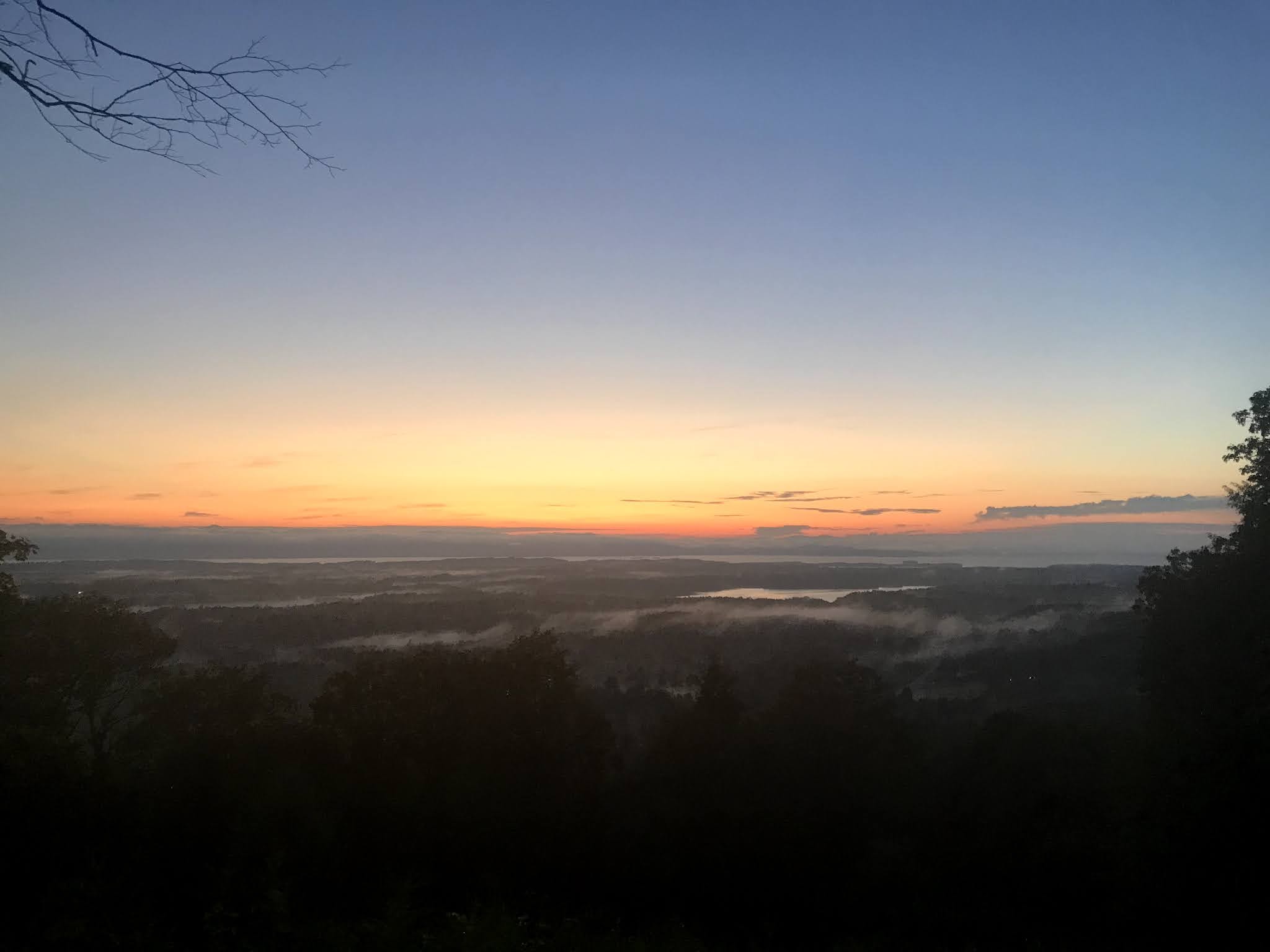
August 21, 2019
There is quite a drought, and I can walk almost anywhere over these meadows without wetting my feet. It is much drier than it was three weeks ago there. It is like the summer of '54. August 21, 1859
Rains still all day, and wind rises, and shakes off much fruit and beats down the corn. August 21, 1856
The river is warmer than I supposed it would become again, yet not so warm as in July. August 21, 1854
The air within a day or two is quite cool, almost too cool for a thin coat, yet the alternate days are by some reckoned among the warmest in the year. August 21, 1852
The aftermath, so fresh and green, begins now to recall the spring to my mind. August 21, 1851
There is some advantage, perhaps, in attending to the general features of the landscape over studying the particular plants and animals which inhabit it. A man may walk abroad and no more see the sky than if he walked under a shed. . . . You must walk sometimes perfectly free, not prying nor inquisitive, not bent upon seeing things. August 21, 1851
Spear-leaved goldenrod in path to northeast of Flint's Pond. August 21, 1851
The prevailing solidagos now are, lst, stricta. . .; 2d, the three-ribbed, of apparently several varieties, which I have called arguta or gigantea (apparently truly the last); 3d, altissima, though commonly only a part of its panicles; 4th, nemoralis, just beginning generally to bloom. Then there is the odora, 5th, out some time, but not common; and, 6th, the bicolor, just begun in some places. August 21, 1856
The aftermath, so fresh and green, begins now to recall the spring to my mind. August 21, 1851
There is some advantage, perhaps, in attending to the general features of the landscape over studying the particular plants and animals which inhabit it. A man may walk abroad and no more see the sky than if he walked under a shed. . . . You must walk sometimes perfectly free, not prying nor inquisitive, not bent upon seeing things. August 21, 1851
Spear-leaved goldenrod in path to northeast of Flint's Pond. August 21, 1851
The prevailing solidagos now are, lst, stricta. . .; 2d, the three-ribbed, of apparently several varieties, which I have called arguta or gigantea (apparently truly the last); 3d, altissima, though commonly only a part of its panicles; 4th, nemoralis, just beginning generally to bloom. Then there is the odora, 5th, out some time, but not common; and, 6th, the bicolor, just begun in some places. August 21, 1856
The commonest asters now are,1st, the Radula; 2d, dumosus; 3d, patens. August 21, 1856
Leaves of small hypericums begin to be red. August 21, 1854.
Hieracium paniculatum, I have now found all the hawkweeds. Singular these genera of plants, plants manifestly related yet distinct. They suggest a history to nature, a natural history in a new sense. August 21, 1851
The purple gerardia now. August 21, 1851
Bigelow, speaking of the spikes of the blue vervain (Verbena hastata), says, “The flowering commences at their base and is long in reaching their summit.” . . . It is very pleasant to measure the progress of the season by this and similar clocks. So you get, not the absolute time, but the true time of the season. August 21, 1851
Red choke-berries are dried black; ripe some time ago. August 21, 1854
Trillium berries bright red. August 21, 1854
The Viburnum Lentago berries are but just beginning to redden on one cheek. August 21, 1853.
An abundance of fine high blackberries behind Britton's old camp on the Lincoln road, now in their prime there, which have been overlooked. Is it not our richest fruit? August 21, 1857
The polygonatum berries have been a bluish-green some time. Do they turn still? August 21, 1853.
Now, say, is hazelnut time. I see robins in small flocks and pigeon woodpeckers with them. August 21, 1854.
Saw one of those light-green locusts about three quarters of an inch long on a currant leaf in the garden. It kept up a steady shrilling (unlike the interrupted creak of the cricket), . . . Near at hand it made my ears ache, it was so piercing, and was accompanied by a hum like that of a factory. August 21, 1853
This afternoon I
noticed a yellow spider
on a goldenrod.
The blue herons must find it easy to get their living now. Are they not more common on our river such [drought] years as this? August 21, 1859 .
Methinks I have not heard a robin sing morning or evening of late, but the peawai still, and occasionally a short note from the gold robin. August 21, 1853
There are as few or fewer birds heard than flowers seen. The sound of the crickets gradually prevails more and more. I hear the year falling asleep. August 21, 1852
The bees, wasps, etc. are on the goldenrods, improving their time before the sun of the year sets. August 21, 1852
A few fireflies still at night. August 21, 1860.
A Book of the Seasons, by Henry Thoreau, the Blue Vervain
A Book of the Seasons, by Henry Thoreau, Purple Gerardia (Gerardia purpurea)
A Book of the Seasons, by Henry Thoreau, St. Johns-wort (Hypericum)
A Book of the Seasons, by Henry Thoreau: the Hazel
A Book of the Seasons, by Henry Thoreau, Solomon's Seal
A Book of the Seasons, by Henry Thoreau, Viburnum lentago (nannyberry)
A Book of the Seasons, by Henry Thoreau, Blackberries
A Book of the Seasons, by Henry Thoreau, the Blue Heron
A Book of the Seasons, by Henry Thoreau, Fireflies
A Book of the Seasons, by Henry Thoreau, the Cricket in August

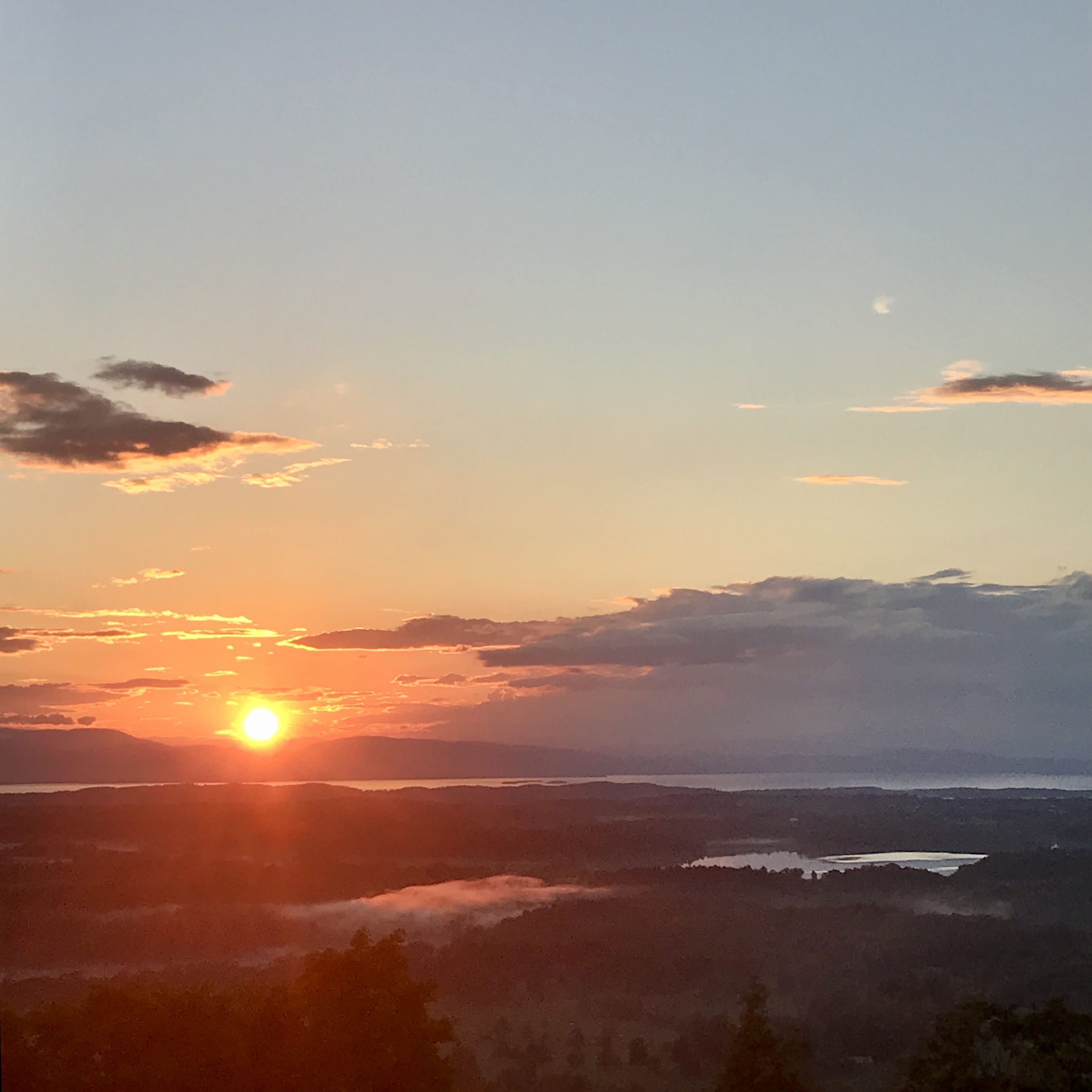
August 21, 2019
March 18, 1860 ("No doubt this flower, too, has learned to expect its winged visitor knocking at its door in the spring.”)
May 16, 1860 (“Think how thoroughly the trees are thus explored by various birds.. . .The whole North American forest is being thus explored for insect food. Each is visited by many kinds and thus the equilibrium of the insect and vegetable kingdom is preserved.”)
June 14, 1853 (" that favorable frame of mind described by De Quincey, open to great impressions, and you see those rare sights with the unconscious side of the eye, which you could not see by a direct gaze before.”)
July 20, 1852 ("The stars are few and distant; the fireflies fewer still")
July 24, 1852 ("There is a short, fresh green on the shorn fields, the aftermath. When the first crop of grass is off, and the aftermath springs, the year has passed its culmination.")
July 26, 1853 ("I mark again, about this time when the first asters open. . . This the afternoon of the year.")
July 28, 1852 ("Solidago altissima beyond the Corner Bridge, out some days at least, but not rough-hairy. Goldenrod and asters have fairly begun; i. e. there are several kinds of each out.")
July 29, 1853 (“The insect that comes after the honey or pollen of a plant is necessary to it and in one sense makes a part of it”)
July 31, 1856 ("The Solidago gigantea, three-ribbed, out a long time at Walden shore by railroad,
more perfectly out than any solidago I have seen")
August 1, 1860 ("Almost every seed that falls to the earth is picked up by some animal . . .These little creatures must live, and this apparently is one of the principal ends of the abundance of seeds that falls.")
August 3, 1859 ("To-day I can walk dry over the greater part of the meadows, . . . many think it has not been so dry for ten years! .")
August 5, 1851 ("I see a solitary firefly over the woods.")
August 5, 1856 ("S. nemoralis, two or three days.")
August 5, 1856 ("Choke-cherries near . . . begin to be ripe, though still red. They are scarcely edible, but their beauty atones for it. See those handsome racemes of ten or twelve cherries each, dark glossy red, semi- transparent. You love them not the less because they are not quite palatable.")
August 5, 1858 (" Choke-berries, fair to the eye but scarcely palatable, hang far above your head, weighing down the bushes.")
August 5, 1851 ("I see a solitary firefly over the woods.")
August 5, 1856 ("S. nemoralis, two or three days.")
August 5, 1856 ("Choke-cherries near . . . begin to be ripe, though still red. They are scarcely edible, but their beauty atones for it. See those handsome racemes of ten or twelve cherries each, dark glossy red, semi- transparent. You love them not the less because they are not quite palatable.")
August 5, 1858 (" Choke-berries, fair to the eye but scarcely palatable, hang far above your head, weighing down the bushes.")
August 6, 1852 ("Blue vervain is now very attractive to me, and then there is that interesting progressive history in its rising ring of blossoms. It has a story.")
August 6, 1853 ("Do not the flowers of August and September generally resemble suns and stars?”).
August 6, 1856 ("Solidago altissima, a small specimen, a day or two. ")
August 7, 1852 ("At this season we have gentle rain-storms, making the aftermath green . . . as if it were a second spring .")
August 8, 1851 ("The fireflies are not so numerous as they have been.")
August 12, 1852 ("Solidago bicolor, white goldenrod, apparently in good season")August 8, 1851 ("The fireflies are not so numerous as they have been.")
August 12, 1856 ("Gerardia purpurea, two or three days")
August 12, 1856 ("The Aster patens is very handsome by the side of Moore's Swamp on the bank, — large flowers, more or less purplish or violet, each commonly (four or five) at the end of a long peduncle, three to six inches long, at right angles with the stem, giving it an open look.”)
August 12, 1858 ("I eat the blueberry, but I am also interested in the rich-looking glossy black choke-berries which nobody eats, but which bend down the bushes on every side,—sweetish berries with a dry, and so choking, taste. Some of the bushes are more than a dozen feet high.")
August 13, 1854 ("Squirrels have begun to eat hazelnuts, and I see their dry husks on the ground turned reddish-brown. ")
August 14, 1853 ("The pea-wai still, and sometimes the golden robin.")
August 14, 1858 ("These might be called the pewee-days")
August 14, 1856 ("Solidago odora abundantly out.”)
August 14, 1858 ("These might be called the pewee-days")
August 14, 1856 ("Solidago odora abundantly out.”)
August 15, 1852 ("The red choke-berry is small and green still. I plainly distinguish it, also, by its woolly under side.")
August 16, 1858 ("At sunset I hear a low short warble from a golden robin, and the notes of the wood pewee.")
August 16, 1858 ("At sunset I hear a low short warble from a golden robin, and the notes of the wood pewee.")
August 16, 1858 ("A three-ribbed goldenrod on railroad causeway, two to three feet high, abundantly out before Solidago nemoralis")
August 17, 1858 ("The aftermath on early mown fields is a very beautiful green.")
August 18, 1854 ("The solidago nemoralis is now abundantly out on the Great Fields.”)
August 19, 1852 ("The trillium berries, six-sided, one inch in diameter, like varnished and stained cherry wood, glossy red, crystalline and ingrained, concealed under its green leaves in shady swamps.")
August 19, 1852 ("The trillium berries, six-sided, one inch in diameter, like varnished and stained cherry wood, glossy red, crystalline and ingrained, concealed under its green leaves in shady swamps.")
August 19, 1852 ("The small fruits of most plants are now generally ripe or ripening, and this is coincident with the flying in flocks of such young birds now grown as feed on them”)
August 19, 1854 ("There is now a remarkable drought, some of whose phenomena I have referred to during several weeks past.”)
August 19, 1858 ("The blue heron has within a week reappeared in our meadows.")
August 19, 1858 ("Blue herons, which have bred or been bred not far from us (plainly), are now at leisure, or are impelled to revisit our slow stream. I have not seen the last since spring")
August 19, 1858 ("The blue heron has within a week reappeared in our meadows.")
August 19, 1858 ("Blue herons, which have bred or been bred not far from us (plainly), are now at leisure, or are impelled to revisit our slow stream. I have not seen the last since spring")
August 20, 1851 ("The flowers of the blue vervain have now nearly reached the summit of their spikes.")
August 20, 1851 ("The golden robin is now a rare bird to see")
August 20, 1852 ("The purple gerardia is very beautiful now in green grass,")
August 20, 1852 ("Is that smooth, handsome-stemmed goldenrod in Brown's Sleepy Hollow meadow Solidago serotina?")
August 20, 1851 ("The golden robin is now a rare bird to see")
August 20, 1852 ("The purple gerardia is very beautiful now in green grass,")
August 20, 1852 ("Is that smooth, handsome-stemmed goldenrod in Brown's Sleepy Hollow meadow Solidago serotina?")
August 20, 1854 ("I hear a gold robin, also faint song of common robin. Wood pewee (fresh)")
August 20, 1858 ("n some meadows, as I look southwesterly, the aftermath looks a bright yellowish-green in patches. ")
August 22, 1852 ("Perhaps fruits are colored like the trillium berry and the scarlet thorn to attract birds to them.”)
August 22, 1852 ("The two-leaved Solomon's-seal berries begin to be red")August 22, 1852 ("Is not the high blackberry our finest berry?")
August 22, 1853 ("Some of the warble of the golden robin.")
August 22, 1853 ("I hear but few notes of birds these days"))
August 22, 1854 ("I go again to the Great Meadows, to improve this remarkably dry season and walk where in ordinary times I cannot go")
August 22, 1854 ("I go again to the Great Meadows, to improve this remarkably dry season and walk where in ordinary times I cannot go")
August 22, 1854 ("Thus the drought serves the herons, etc., confining their prey within narrower limits, and doubtless they are well acquainted with suitable retired pools far in the marshes to go a-fishing in."
August 22, 1858 ("See one or two blue herons every day now")
August 22, 1859 ("The circles of the blue vervain flowers, now risen near to the top, show how far advanced the season is.")
August 23, 1851 ("The Verbena hastata at the pond has reached the top of its spike, a little in advance of what I noticed yesterday; only one or two flowers are adhering.")
August 22, 1858 ("See one or two blue herons every day now")
August 22, 1859 ("The circles of the blue vervain flowers, now risen near to the top, show how far advanced the season is.")
August 23, 1851 ("The Verbena hastata at the pond has reached the top of its spike, a little in advance of what I noticed yesterday; only one or two flowers are adhering.")
August 23, 1853 ("How handsome now the cymes of Viburnum Lentago berries, flattish with red cheeks!")
August 23, 1856 ("Now for high blackberries,")
August 24, 1853 ("The altissima . . . is just beginning to be abundant. Its tops a foot or more broad, with numerous recurved racemes on every side, with yellow and yellowing triangular points. It is the most conspicuous of all.")
August 24, 1853 ("The altissima . . . is just beginning to be abundant. Its tops a foot or more broad, with numerous recurved racemes on every side, with yellow and yellowing triangular points. It is the most conspicuous of all.")
August 24, 1853 ("The goldenrods which I have observed in bloom this year .(1) stricta,(2) lanceolata,(3) arguta (?),(4) nemoralis etc. . . .The asters are about in this order:(1) Radula, (2) D. cornifolius (?), (3) A. corymbosus, etc")
August 24, 1853 ("Dumosus and patens . . . are the prevailing asters now.. . . Some of the leaves of the A. patens are red.")
August 24, 1853 ("Dumosus and patens . . . are the prevailing asters now.. . . Some of the leaves of the A. patens are red.")
August 25, 1852 ("The fruit of the Viburnum Lentago is now very handsome, with its sessile cymes of large elliptical berries, green on one side and red with a purple bloom on the other or exposed side, not yet purple, blushing on one cheek.")
August 25, 1854 ("Also the choke-berries are very abundant [at Shadbush Meadow], but mostly dried black.")
August 26, 1858 ("The Solidago arguta is apparently in its prime.")
August 26, 1860 ("I thread my way through the blueberry swamp in front of Martial Miles's. . . . And now a far greater show of choke-berries is here, rich to see.")
August 27, 1854 ("Some Viburnum Lentago berries, turned blue before fairly reddening.”)
August 27, 1856 ("The Viburnum Lentago begin to show their handsome red cheeks,")
August 27, 1856 ("I found the Polygonatum pubescens berries on its handsome leafy stem recurved over the hillside, generally two slaty-blue (but darkgreen beneath the bloom) berries on an axillary peduncle three quarters of an inch long, hanging straight down; eight or nine such peduncles, dividing to two short pedicels at end; the berries successively smaller from below upwards, from three eighths of an inch diameter to hardly more than one eighth.")
August 27, 1854 ("Some Viburnum Lentago berries, turned blue before fairly reddening.”)
August 27, 1856 ("The Viburnum Lentago begin to show their handsome red cheeks,")
August 27, 1856 ("I found the Polygonatum pubescens berries on its handsome leafy stem recurved over the hillside, generally two slaty-blue (but darkgreen beneath the bloom) berries on an axillary peduncle three quarters of an inch long, hanging straight down; eight or nine such peduncles, dividing to two short pedicels at end; the berries successively smaller from below upwards, from three eighths of an inch diameter to hardly more than one eighth.")
August 27, 1857 ("Detected a, to me, new kind of high blackberry on the edge of the cliff beyond Conant's wall.")
August 27, 1860 ("See one of the shrilling green alder locusts on the under side of a grape leaf. Its body is about three quarters of an inch or less in length; antennae and all, two inches. “)
August 27, 1860 ("See one of the shrilling green alder locusts on the under side of a grape leaf. Its body is about three quarters of an inch or less in length; antennae and all, two inches. “)
August 28, 1856 ("The bushes are weighed down with choke-berries, which no creature appears to gather. This crop is as abundant as the huckleberries have been. They have a sweet and pleasant taste enough, but leave a mass of dry pulp in the mouth.")
August 28, 1854 ("The muddy bottom of these pools dried up is cracked into a sort of regular crystals. In the soft mud, the tracks of the great bittern and the blue heron")
August 28, 1856 ("See the great oval masses of scarlet berries of the arum now in the meadows. Trillium fruit, long time.")
August 28, 1856 (“High blackberries still to be had.”);
August 30, 1853 ("Viburnum Lentago berries are now common and handsome")
August 30, 1859 ("The prevailing flowers, considering both conspicuous-ness and numbers, at present time, as I think now: Solidagos, especially large three-ribbed, nemoralis, tall rough, etc.; Asters, especially Tradescanti, puniceus, corymbosus, dumosus, Diplopappus umbellatus")
August 30, 1859 ("Now that flowers are rarer, almost every one of whatever species has bees or butterflies upon it. ")
August 30, 1853 ("The Solidago odora grows abundantly behind the Minott house in Lincoln. I collect a large bundle of it.")
August 28, 1854 ("The muddy bottom of these pools dried up is cracked into a sort of regular crystals. In the soft mud, the tracks of the great bittern and the blue heron")
August 28, 1856 ("See the great oval masses of scarlet berries of the arum now in the meadows. Trillium fruit, long time.")
August 28, 1856 (“High blackberries still to be had.”);
August 30, 1853 ("Viburnum Lentago berries are now common and handsome")
August 30, 1859 ("The prevailing flowers, considering both conspicuous-ness and numbers, at present time, as I think now: Solidagos, especially large three-ribbed, nemoralis, tall rough, etc.; Asters, especially Tradescanti, puniceus, corymbosus, dumosus, Diplopappus umbellatus")
August 30, 1859 ("Now that flowers are rarer, almost every one of whatever species has bees or butterflies upon it. ")
August 30, 1853 ("The Solidago odora grows abundantly behind the Minott house in Lincoln. I collect a large bundle of it.")
August 30, 1853 ("Why so many asters and goldenrods now? The sun has shone on the earth, and the goldenrod is his fruit. The stars, too, have shone on it, and the asters are their fruit.”)
August 31, 1858 (“High blackberries are abundant in Britton’s field.")
August 31, 1858 ("Red choke-berry, apparently not long.")
August 31, 1853 (" The Solidago altissima is now the prevailing one, i. e. goldenrod, in low grounds where the swamp has been cleared. It occupies acres, densely rising as high as your head, with the great white umbel-like tops of the Diplopappus umbellatus rising above it")
August 31, 1853("The asters and goldenrods are now in their prime, I think.")
September 1, 1854 ("The Viburnum Lentago are just fairly begun to have purple cheeks.")'
September 1, 1851("The fruit of the trilliums is very handsome.. . .a dense crowded cluster of many ovoid berries turning from green to scarlet or bright brick color.")
September 1, 1860 ("See how artfully the seed of a cherry is placed in order that a bird may be compelled to transport it.”)
September 1, 1851 ("Then there is the mottled fruit of the clustered Solomon's-seal")
September 1,1856 ("Red choke-berries, which last further up in this swamp, with their peculiar glossy red and squarish form, are really very handsome.")
September 1, 1856 ("Solidago stricta, still very abundant, though probably a little past prime. S. gigantea, say in prime. S. nemoralis, not quite in prime, but very abundant. S. altissima, perhaps in prime. S. odora, in prime, or maybe a little past. . . .S. bicolor, not quite in prime, but common.t.")August 31, 1858 (“High blackberries are abundant in Britton’s field.")
August 31, 1858 ("Red choke-berry, apparently not long.")
August 31, 1853 (" The Solidago altissima is now the prevailing one, i. e. goldenrod, in low grounds where the swamp has been cleared. It occupies acres, densely rising as high as your head, with the great white umbel-like tops of the Diplopappus umbellatus rising above it")
August 31, 1853("The asters and goldenrods are now in their prime, I think.")
September 1, 1854 ("The Viburnum Lentago are just fairly begun to have purple cheeks.")'
September 1, 1851("The fruit of the trilliums is very handsome.. . .a dense crowded cluster of many ovoid berries turning from green to scarlet or bright brick color.")
September 1, 1860 ("See how artfully the seed of a cherry is placed in order that a bird may be compelled to transport it.”)
September 1, 1851 ("Then there is the mottled fruit of the clustered Solomon's-seal")
September 1,1856 ("Red choke-berries, which last further up in this swamp, with their peculiar glossy red and squarish form, are really very handsome.")
September 1, 1856 ("A. patens, apparently now in prime and the most abundant of the larger asters. . . .. . .A. Radula, rather past prime. A. dumosus, very common, most so of the small white, and in prime..")
September 1, 1859 ("Red choke-berry ripe.")
September 3, 1852 ("See no fireflies.")
September 5, 1858 (" I hear two or more wood pewees this afternoon, but had not before for a fortnight or more. The pewee days are over for some time")
September 6, 1856 ("Solidago arguta very common, apparently in prime")
September 6, 1857 ("I see in the swamp black choke berries twelve feet high at least and in fruit.")
September 6, 1857 ("I see one of those peculiarly green locusts with long and slender legs on a grass stem, which are often concealed by their color.")
September 6, 1854 ("I think I may say that large Solomon’s-seal berries have begun to be red.")
September 6, 1858 ("Aster patens past prime.")September 3, 1852 ("See no fireflies.")
September 5, 1858 (" I hear two or more wood pewees this afternoon, but had not before for a fortnight or more. The pewee days are over for some time")
September 6, 1856 ("Solidago arguta very common, apparently in prime")
September 6, 1857 ("I see in the swamp black choke berries twelve feet high at least and in fruit.")
September 6, 1857 ("I see one of those peculiarly green locusts with long and slender legs on a grass stem, which are often concealed by their color.")
September 6, 1854 ("I think I may say that large Solomon’s-seal berries have begun to be red.")
September 6, 1858("Solidago nemoralis is apparently in prime on Lupine Hill; some of it past. It is swarming with butterflies, — yellow, small red, and large, — fluttering over it.")
.September 11, 1857 ("My old S. stricta (early form) must be S. Arguta var. juncea.");
September 11, 1859 ("The clusters of the Viburnum Lentago berries, now in their prime, are exceedingly and peculiarly handsome, and edible withal. . . . Each berry in the cyme is now a fine, clear red on the exposed side and a distinct and clear green on the opposite side. Many are already purple, and they turn in your hat, but they are handsomest when thus red and green.")
September 13, 1852 ("I must walk more with free senses. I must let my senses wander as my thoughts, my eyes see without looking. Carlyle said that how to observe was to look, but I say that it is rather to see, and the more you look the less you will observe. Be not preoccupied with looking. Go not to the object; let it come to you. What I need is not to look at all, but a true sauntering of the eye.")
September 14, 1856 ("Now for the Aster Tradescanti along low roads, like the Turnpike, swarming with butterflies and bees.")
September 15, 1856 ("Early Solidago stricta (that is, arguta) done ")
September 17, 1858 ("See elecampane, quite out of bloom. Also the Solidago odora, which I see has just done.")
September 11, 1859 ("The clusters of the Viburnum Lentago berries, now in their prime, are exceedingly and peculiarly handsome, and edible withal. . . . Each berry in the cyme is now a fine, clear red on the exposed side and a distinct and clear green on the opposite side. Many are already purple, and they turn in your hat, but they are handsomest when thus red and green.")
September 13, 1852 ("I must walk more with free senses. I must let my senses wander as my thoughts, my eyes see without looking. Carlyle said that how to observe was to look, but I say that it is rather to see, and the more you look the less you will observe. Be not preoccupied with looking. Go not to the object; let it come to you. What I need is not to look at all, but a true sauntering of the eye.")
September 14, 1856 ("Now for the Aster Tradescanti along low roads, like the Turnpike, swarming with butterflies and bees.")
September 15, 1856 ("Early Solidago stricta (that is, arguta) done ")
September 17, 1858 ("See elecampane, quite out of bloom. Also the Solidago odora, which I see has just done.")
September 19, 1857 ("Solidago arguta variety done, say a week or more.") :
September 21, 1856 ("[On top of Cliff, behind the big stump] is a great place for white goldenrod, now in its prime and swarming with honey-bees.")
September 24, 1856 ("Methinks it stands thus with goldenrods and asters now: Early S. stricia, done some time. . . .My S. gigantea (?), probably done. S. nemoralis, about done. S. altissima, much past prime. S. odora, not seen but probably done. . . .S. bicolor . . . in prime.")")September 21, 1856 ("[On top of Cliff, behind the big stump] is a great place for white goldenrod, now in its prime and swarming with honey-bees.")
September 29, 1856 ("How surely . . .the bidens, on the edge of a pool, prophesy the coming of the traveller. . . that will transport their seeds on his coat.”)
October 2, 1856 ("Gerardia purpurea still.")
October 2, 1856 ("Solidago bicolor considerably past prime")
October 2, 1856 ("Solidago bicolor considerably past prime")
October 11, 1856 ("The white goldenrod is still common here, and covered with bees.")
October 12, 1856 ("It is interesting to see how some of the few flowers which still linger are frequented by bees and other insects. ")
November 1, 1855 ("As I push up the river past Hildreth’s, I see the blue heron arise from the shore and disappear with heavily-flapping wings around a bend in front; the greatest of the bitterns, with heavily-undulating wings, low over the water, seen against the woods, just disappearing round a bend in front; with a great slate-colored expanse of wing, suited to the shadows of the stream, a tempered blue as of the sky and dark water commingled")
November 18 1851 ("The chopper who works in the woods all day is more open in some respects to the impressions they are fitted to make than the naturalist who goes to see them.")
October 12, 1856 ("It is interesting to see how some of the few flowers which still linger are frequented by bees and other insects. ")
November 1, 1855 ("As I push up the river past Hildreth’s, I see the blue heron arise from the shore and disappear with heavily-flapping wings around a bend in front; the greatest of the bitterns, with heavily-undulating wings, low over the water, seen against the woods, just disappearing round a bend in front; with a great slate-colored expanse of wing, suited to the shadows of the stream, a tempered blue as of the sky and dark water commingled")
November 18 1851 ("The chopper who works in the woods all day is more open in some respects to the impressions they are fitted to make than the naturalist who goes to see them.")
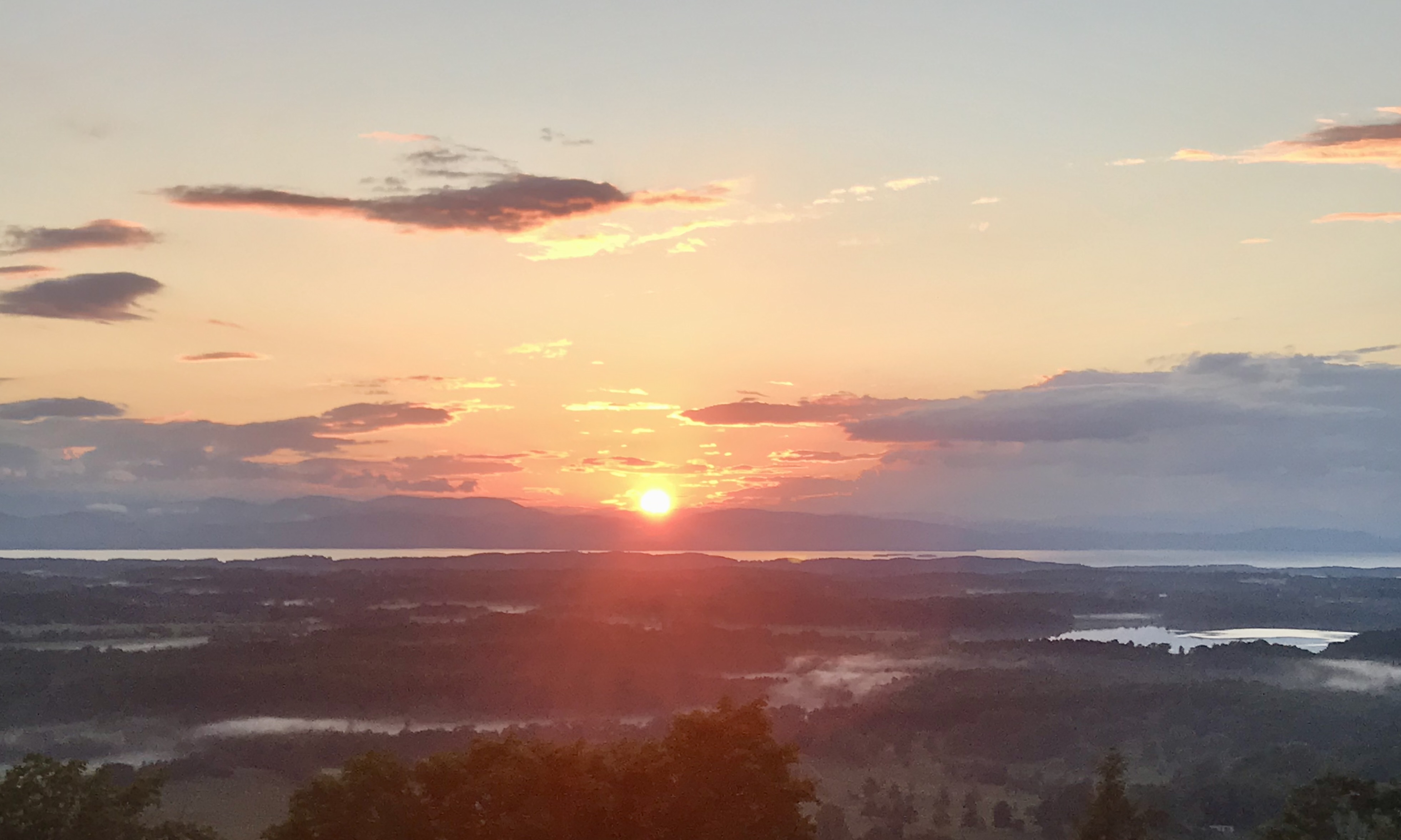
August 21, 2020
If you make the least correct
observation of nature this year,
you will have occasion to repeat it
with illustrations the next,
and the season and life itself is prolonged.
A Book of the Seasons, by Henry Thoreau, August 21
A Book of the Seasons, by Henry Thoreau
"A book, each page written in its own season,
out-of-doors, in its own locality.”
~edited, assembled and rewritten by zphx © 2009-2022
tinyurl.com/HDT21August


