The year is but a succession of days,
and I see that I could assign some office to each day
which, summed up, would be the history of the year.
Henry Thoreau, August 24, 1852
Fruits are colored like
the trillium berry to
attract birds to them.
August 22, 1852
I hear muttering
of thunder as the first drops
dimple the river.

August 22, 2012
There is, no doubt, a particular season of the year when each place may be visited with most profit and pleasure, and it may be worth the while to consider what that season is in each case. August 22, 1854
I go again to the Great Meadows, to improve this remarkably dry season and walk where in ordinary times I cannot go. . . . To Beck Stow's and Gowing's Swamp. August 22, 1854.
I never find a remarkable Indian relic but I have first divined its existence, and planned the discovery of it. Frequently I have told myself distinctly what it was to be before I found it. August 22, 1860
The Assabet is apparently at its height, and rushing very swiftly past the Hemlocks, where it is narrow and choked with rocks, I can hardly row against it there. August 22, 1856
The two-leaved Solomon's-seal berries begin to be red. August 22, 1852.
Arum berries ripe. August 22, 1854. The arum berries are mostly devoured, apparently by birds. August 22, 1852.
The panicled cornel berries now white. August 22, 1852.
Perhaps fruits are colored like the trillium berry and the scarlet thorn to attract birds to them. August 22, 1852
Is not the high blackberry our finest berry? August 22, 1852
The elder bushes are weighed down with fruit partially turned, and are still in bloom at the extremities of their twigs. August 22, 1852.
I am struck by the handsome and abundant clusters of yet green shrub oak acorns. Some are whitish. How much food for some creatures! August 22, 1852.
The haze, accompanied by much wind, is so thick this forenoon that the sun is obscured as by a cloud. I see no rays of sunlight. August 22, 1854
There is a pretty strong wind from the north-northwest. The haze is so thick that we can hardly see more than a mile. August 22, 1854
I find at length a pitcher-plant with a spoonful of water in it. It must be last night's dew. August 22, 1854
See a blue heron — apparently a young bird, of a brownish blue — fly up from one of these pools, and a stake-driver from another, and also see their great tracks on the mud, and the feathers they had shed, — some of the long, narrow white neck-feathers of the heron. The tracks of the heron are about six inches long. Here is a rare chance for the herons to transfix the imprisoned fish. It is a wonder that any have escaped. August 22, 1854
To these remote shallow and muddy pools, usually surrounded by reeds and sedge, far amid the wet meadows, — to these, then, the blue heron resorts for its food August 22, 1854
Thus the drought serves the herons, etc., confining their prey within narrower limits, and doubtless they are well acquainted with suitable retired pools far in the marshes to go a-fishing in. August 22, 1854
See one or two blue herons every day now, driving them far up or down the river before me. August 22, 1858.
The scream of young marsh hawks sounds like some notes of the jay. August 22, 1853.
A blue jay screams, and one or two fly over, showing to advantage their handsome forms, especially their regular tails, wedge-formed. August 22, 1853.
I hear but few notes of birds these days; no singing, but merely a few hurried notes or screams or twittering or peeping. . . . not sounds enough to disturb the general stillness. August 22, 1853
Some of the warble of the golden robin. August 22, 1853
The faint warbling I hear nowadays is from apparently the young Maryland yellow- throats, as it were practicing against another spring, — half-finished strains. August 22, 1856 .
Am surprised to hear a phoebe's pewet pewee and see it. August 22, 1854.
Hear a peawai whose note is more like singing — as if it were still incubating — than any other. August 22, 1853.
I hear of some young barn swallows in the nest still in R. Rice’s barn, Sudbury. August 22, 1855
Surprised to hear a very faint bobolink in the air; the link, link, once or twice later. August 22, 1853.
I hear of some young barn swallows in the nest still in R. Rice’s barn, Sudbury. August 22, 1855
Surprised to hear a very faint bobolink in the air; the link, link, once or twice later. August 22, 1853.
That young pitch pine whose buds the crossbills (?) plucked has put out shoots close by them, but they are rather feeble and late. August 22, 1859
The sprouts, apparently of the Populus grandidentata, run up very fast the first year where the wood has been cut, and make great leaves nearly a foot long and nine or ten inches wide, — unlike those of the parent tree, downy. August 22, 1852.
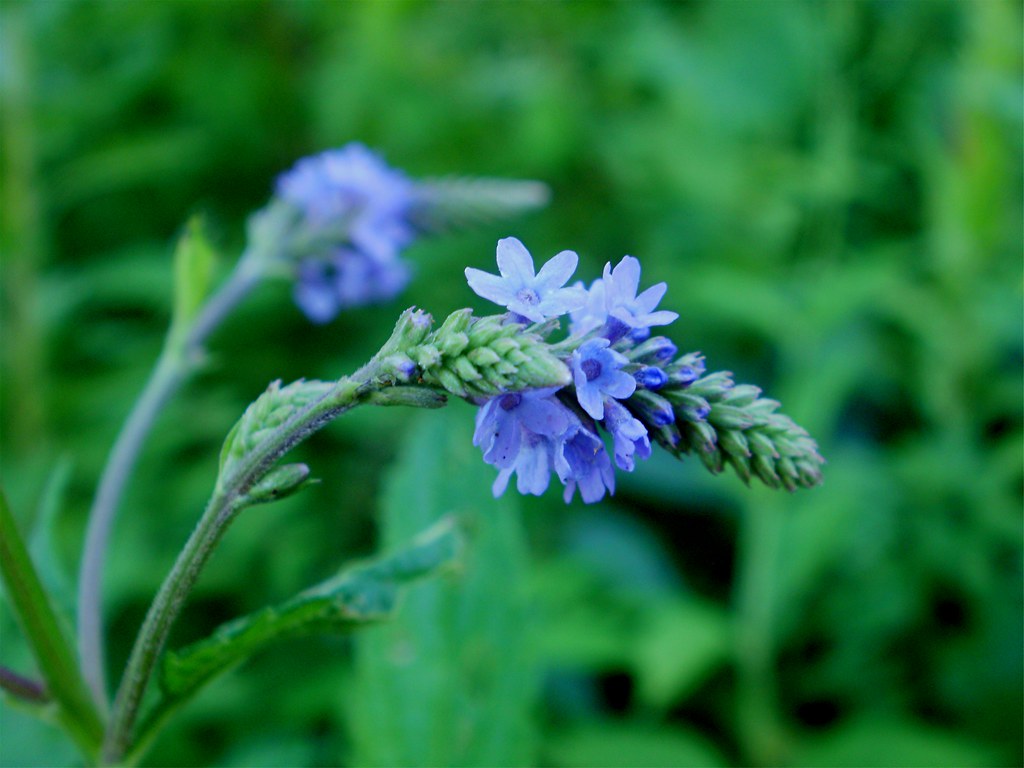
The circles of the blue vervain flowers, now risen near to the top, show how far advanced the season is. August 22, 1859.
The savory-leaved aster (Diplopappus linariifolius) out; how long? August 22, 1859

WOOD ASTER AUGUST 20, 2017
Saw the Aster corymbosus on the 19th. August 22, 1859
Now is the time for the cardinal-flower. August 22, 1860
Have seen where squirrels have eaten, i.e. stripped, many white pine cones, for a week past, though quite green. August 22, 1859
I hear the muttering of thunder and the first drops dimple the river. August 22, 1853
A yellowbird flew over the river. August 22, 1853.
And two nighthawks flying high over the river . August 22, 1853.
At twilight many bats after the showers. August 22, 1853
*****

April 13, 1860 (“It distinctly occurred to me that, perhaps, if I came against my will, as it were, to look at the sweet-gale as a matter of business, I might discover something else interesting.”)
July 2, 1857 ("We find only the world we look for.")
July 12, 1854 ("Many young barn swallows sit in flocks on the bared dead willows over the water and let me float within four or five feet. Birds do not distinguish a man sitting in a boat.")
August 19, 1852 ("The trillium berries, six-sided, one inch in diameter, like varnished and stained cherry wood, glossy red, crystalline and ingrained, concealed under its green leaves in shady swamps.");
August 20, 1851 ("The flowers of the blue vervain have now nearly reached the summit of their spikes.")
August 29,1854 ("The barn swallows are very lively, filling the air with their twittering now, at 6 p.m. They rest on the dry mullein-tops, then suddenly all start off together as with one impulse and skim about over the river, hill, and meadow. . . .Are they not gathering for their migration?")

The sprouts, apparently of the Populus grandidentata, run up very fast the first year where the wood has been cut, and make great leaves nearly a foot long and nine or ten inches wide, — unlike those of the parent tree, downy. August 22, 1852.
The circles of the blue vervain flowers, now risen near to the top, show how far advanced the season is. August 22, 1859.
The savory-leaved aster (Diplopappus linariifolius) out; how long? August 22, 1859

WOOD ASTER AUGUST 20, 2017
Saw the Aster corymbosus on the 19th. August 22, 1859
Now is the time for the cardinal-flower. August 22, 1860
Have seen where squirrels have eaten, i.e. stripped, many white pine cones, for a week past, though quite green. August 22, 1859
There are now hopping all over this meadow small Rana palustris, and also some more beautifully spotted halecina or shad frogs. August 22, 1854
I hear the muttering of thunder and the first drops dimple the river. August 22, 1853
A yellowbird flew over the river. August 22, 1853.
And two nighthawks flying high over the river . August 22, 1853.
At twilight many bats after the showers. August 22, 1853

August 22, 2019
*****
A Book of the Seasons, by Henry Thoreau, at Beck Stow's Swamp
A Book of the Seasons, by Henry Thoreau, The Purple Pitcher Plant
A Book of the Seasons, by Henry Thoreau, the Blue Vervain
A Book of the Seasons, by Henry Thoreau, Blackberries
A Book of the Seasons, by Henry Thoreau, Elder-berries
A Book of the Seasons, by Henry Thoreau, The Big-toothed Aspen
A Book of the Seasons, by Henry Thoreau, Solomon's Seal
A Book of the Seasons, by Henry Thoreau, The Marsh Hawk
A Book of the Seasons, by Henry Thoreau, The Eastern Phoebe
A Book of the Seasons, by Henry Thoreau,The Blue Jay
A Book of the Seasons, by Henry Thoreau, Young Birds
A Book of the Seasons, by Henry Thoreau, The Eastern Wood Pewee
A Book of the Seasons, by Henry Thoreau, The Bobolink
See A Book of the Seasons, by Henry Thoreau, the Nighthawk
A Book of the Seasons, by Henry Thoreau, The Summer Yellowbird
A Book of the Seasons, by Henry Thoreau, The Pickerel frog (Rana palustris)
A Book of the Seasons, by Henry Thoreau, The Blue Heron

August 22, 2019
July 2, 1857 ("We find only the world we look for.")
July 12, 1854 ("Many young barn swallows sit in flocks on the bared dead willows over the water and let me float within four or five feet. Birds do not distinguish a man sitting in a boat.")
July 14, 1853 ("In Beck Stow’s Swamp to-day; approached and discovered the Andromeda Polifolia")
August 4, 1855 ("Just after bathing at the rock near the Island this afternoon, after sunset, I saw a flock of thousands of barn swallows . . .. I supposed that they were preparing to migrate, being the early broods.")August 6, 1852 ("Blue vervain is now very attractive to me, and then there is that interesting progressive history in its rising ring of blossoms. It has a story.")
August 7, 1853 ("The birds for some weeks have not sung as in the spring. Do I not already hear the jays with more distinctness, as in the fall and winter?")
August 8, 1852 ("No man ever makes a discovery, even an observation of the least importance,
but he is advertised of the fact by a joy that surprises him.")
August 11, 1852 ("Aster corymbosus, path beyond Corner Spring and in Miles Swamp.")
August 12, 1851 ("And the bats are flying about on the edge of the wood, improving the last moments of their day in catching insects.")August 8, 1852 ("No man ever makes a discovery, even an observation of the least importance,
but he is advertised of the fact by a joy that surprises him.")
August 11, 1852 ("Aster corymbosus, path beyond Corner Spring and in Miles Swamp.")
August 12, 1858 ("A Maryland yellow-throat, hopping within a bush closely")
August 13, 1854 ("Now the mountains are concealed by the dog-day haze.”)
August 14, 1852 ("There is such a haze that I cannot see the mountains")
August 14, 1852 ("There is such a haze that I cannot see the mountains")
August 16, 1858 ("At sunset I hear a low short warble from a golden robin, and the notes of the wood pewee.")
August 17, 1853 ("The high blackberries are now in their prime; the richest berry we have.")
August 17, 1853 ("The high blackberries are now in their prime; the richest berry we have.")
August 18, 1854 ("We can walk across the Great Meadows now in any direction. They are quite dry. Even the pitcher-plant leaves are empty.")
August 19, 1854 (“There is such a haze we see not further than our Annursnack, which is blue as a mountain.”)
August 19, 1858 ("The blue heron has within a week reappeared in our meadows.")August 19, 1854 (“There is such a haze we see not further than our Annursnack, which is blue as a mountain.”)
August 19, 1852 ("The trillium berries, six-sided, one inch in diameter, like varnished and stained cherry wood, glossy red, crystalline and ingrained, concealed under its green leaves in shady swamps.");
August 20, 1851 ("The flowers of the blue vervain have now nearly reached the summit of their spikes.")
August 20, 1851 ("I see cardinal-flowers, with their red artillery, reminding me of soldiers, — red men, war, and bloodshed. Some are four and a half feet high")
August 20, 1851 ("The golden robin is now a rare bird to see")
August 20, 1851 ("The golden robin is now a rare bird to see")
August 21, 1854 ("I can not find a pitcher-plant with any water in it.")
August 21, 1854 ("Trillium berries bright red.")
August 29, 1858 ("I hear this morning one eat it potter from a golden robin. They are now rarely seen.")August 21, 1851 ("It is very pleasant to measure the progress of the season by this and similar clocks. So you get, not the absolute time, but the true time of the season.")
August 21, 1852 ("There are as few or fewer birds heard than flowers seen. The sound of the crickets gradually prevails more and more. I hear the year falling asleep")
August 21, 1859 ("There is quite a drought, and I can walk almost anywhere over these meadows without wetting my feet., , , It is like the summer of '54.")
August 21, 1859 ("The blue herons must find it easy to get their living now. Are they not more common on our river such [drought] years as this?")
August 21, 1852 ("There are as few or fewer birds heard than flowers seen. The sound of the crickets gradually prevails more and more. I hear the year falling asleep")
August 21, 1859 ("There is quite a drought, and I can walk almost anywhere over these meadows without wetting my feet., , , It is like the summer of '54.")
August 21, 1859 ("The blue herons must find it easy to get their living now. Are they not more common on our river such [drought] years as this?")
August 23, 1851 ("The Verbena hastata at the pond has reached the top of its spike, a little in advance of what I noticed yesterday; only one or two flowers are adhering.")
August 23, 1854 ("I improve the dry weather to examine the middle of Gowing's Swamp")
August 23, 1858 (" High blackberries now in their prime, their great racemes of shining black fruit, mixed with red and green, bent over amid the sweet-fern and sumach on sunny hill sides, or growing more rankly with larger fruit by rich roadsides and in lower ground.").
August 23, 1854 ("I improve the dry weather to examine the middle of Gowing's Swamp")
August 23, 1858 (" High blackberries now in their prime, their great racemes of shining black fruit, mixed with red and green, bent over amid the sweet-fern and sumach on sunny hill sides, or growing more rankly with larger fruit by rich roadsides and in lower ground.").
August 25, 1852 (" I hear no birds sing these days, only the plaintive note of young bluebirds, or the peep of a robin, or the scream of a jay, to whom all seasons are indifferent, the mew of a catbird, the link link of a bobolink, or the twitter of a goldfinch, all faint and rare.")
August 25, 1854 (“I think I never saw the haze so thick as now . . . The sun is shorn of his beams by the haze before 5 o'clock P.M., round and red, and is soon completely concealed, apparently by the haze alone.”);
August 26, 1854 ("I hear part of a phoebe's strain, as I go over the railroad bridge. It is the voice of dying summer.")
August 26, 1854 ("I hear part of a phoebe's strain, as I go over the railroad bridge. It is the voice of dying summer.")
August 27, 1856 ("The cardinals in this ditch . . . look like slender plumes of soldiers advancing in a dense troop, . . .the most splendid show of cardinal flowers I ever saw")
August 28, 1856 ("See the great oval masses of scarlet berries of the arum now in the meadows. Trillium fruit, long time.")
August 28, 1853 ("The acorns show now on the shrub oaks.")August 28, 1856 ("See the great oval masses of scarlet berries of the arum now in the meadows. Trillium fruit, long time.")
August 28, 1856 ("The panicled cornel berries are whitening,, but already mostly fallen.")
August 29, 1859 ("Elder-berry clusters swell and become heavy and therefore droop, bending the bushes down, just in proportion as they ripen. Hence you see the green cymes perfectly erect, the half-ripe drooping, and the perfectly ripe hanging straight down on the same bush.")
August 29, 1859 ("Elder-berry clusters swell and become heavy and therefore droop, bending the bushes down, just in proportion as they ripen. Hence you see the green cymes perfectly erect, the half-ripe drooping, and the perfectly ripe hanging straight down on the same bush.")
August 29,1854 ("The barn swallows are very lively, filling the air with their twittering now, at 6 p.m. They rest on the dry mullein-tops, then suddenly all start off together as with one impulse and skim about over the river, hill, and meadow. . . .Are they not gathering for their migration?")
August 30, 1856 ("I get my new experiences . . . at Beck Stow's Swamp listening to the native wood thrush")
August 31, 1852 ("The rustling of aspen leaves (grandidentata) this cloudy day startled me as if it were rain-drops on the leaves.")
August 31, 1853 ("Great black cymes of elder berries now bend down the bushes.")August 31, 1852 ("The rustling of aspen leaves (grandidentata) this cloudy day startled me as if it were rain-drops on the leaves.")
August 31, 1858 ("I hear and see but few bobolinks or blackbirds for several days past. The former, at least, must be withdrawing.")
September 1, 1851("The fruit of the trilliums is very handsome.. . .a dense crowded cluster of many ovoid berries turning from green to scarlet or bright brick color.")
September 1, 1851("The fruit of the trilliums is very handsome.. . .a dense crowded cluster of many ovoid berries turning from green to scarlet or bright brick color.")
September 1, 1856 ("A. corymbosus, in prime, or maybe past.")
September 1, 1860 ("See how artfully the seed of a cherry is placed in order that a bird may be compelled to transport it.”)
September 1, 1859 ("The scarlet fruit of the arum spots the swamp floor.");
September 2, 1853 (" The dense oval bunches of arum berries now startle the walker in swamps")
September 1, 1860 ("See how artfully the seed of a cherry is placed in order that a bird may be compelled to transport it.”)
September 1, 1859 ("The scarlet fruit of the arum spots the swamp floor.");
September 2, 1853 (" The dense oval bunches of arum berries now startle the walker in swamps")
September 2, 1856 ("It commonly chances that I make my most interesting botanical discoveries when I am in a thrilled and expectant mood,. . .”)
September 4, 1853 ("The crowded clusters of shrub oak acorns are very handsome now, the rich, wholesome brown of the cups contrasting with the now clear green acorns, sometimes twenty- four with a breadth of three inches.")
September 4, 1853 ("The crowded clusters of shrub oak acorns are very handsome now, the rich, wholesome brown of the cups contrasting with the now clear green acorns, sometimes twenty- four with a breadth of three inches.")
September 5, 1858 (" I hear two or more wood pewees this afternoon, but had not before for a fortnight or more. The pewee days are over for some time")
September 7, 1854 (" A nighthawk dashes past, low over the water")
September 7, 1854 (" A nighthawk dashes past, low over the water")
September 7, 1854 ("Many bats over and about our heads.")
September 13, 1859 ("I see some shrub oak acorns turned dark on the bushes and showing their meridian lines, but generally acorns of all kinds are green yet")
September 16, 1858 ("Say within a week have begun. In one small wood, all the white pine cones are on the ground, generally unopened, evidently freshly thrown down by the squirrels, and then the greater part have already been stripped.")
September 13, 1859 ("I see some shrub oak acorns turned dark on the bushes and showing their meridian lines, but generally acorns of all kinds are green yet")
September 16, 1858 ("Say within a week have begun. In one small wood, all the white pine cones are on the ground, generally unopened, evidently freshly thrown down by the squirrels, and then the greater part have already been stripped.")
September 18, 1856 ("Diplopappus linariifolius in prime.")
September 21, 1859 ("They [acorns] are as interesting now on the shrub oak (green) as ever.")
September 24, 1857 (" I walk to that very dense and handsome white pine grove east of Beck Stow’s Swamp . . . The ground was completely strewn with white pine cones, apparently thrown down by the squirrels, still generally green and closed, but many stripped of scales, about the base of almost every pine, sometimes all of them.")
September 21, 1859 ("They [acorns] are as interesting now on the shrub oak (green) as ever.")
September 24, 1857 (" I walk to that very dense and handsome white pine grove east of Beck Stow’s Swamp . . . The ground was completely strewn with white pine cones, apparently thrown down by the squirrels, still generally green and closed, but many stripped of scales, about the base of almost every pine, sometimes all of them.")
September 25, 1854 ("Bats come out fifteen minutes after sunset.")
September 28, 1858 ("The small shrub oak . . . with its pretty acorns striped dark and light alternately.")
September 30, 1859 ("Most shrub oak acorns browned.")
October 1, 1859 ("The shrub oaks on this hill are now at their height, both with respect to their tints and their fruit. . . .Now is the time for shrub oak acorns if not for others.")
October 14, 1859 ("The shrub oak acorns are now all fallen, — only one or two left on,")
September 28, 1858 ("The small shrub oak . . . with its pretty acorns striped dark and light alternately.")
September 30, 1859 ("Most shrub oak acorns browned.")
October 1, 1859 ("The shrub oaks on this hill are now at their height, both with respect to their tints and their fruit. . . .Now is the time for shrub oak acorns if not for others.")
October 14, 1859 ("The shrub oak acorns are now all fallen, — only one or two left on,")
October 15, 1859 ("I see some black oak acorns on the trees still and in some places at least half the shrub oak acorns. The last are handsomer now that they have turned so much darker.")
October 21, 1859 ("A great many shrub oak acorns hold on, and are a darker brown than ever.")November 4, 1858 (" We cannot see any thing until we are possessed with the idea of it, . . .. In my botanical rambles I find that first the idea, or image, of a plant occupies my thoughts, though it may at first seem very foreign to this locality, and for some weeks or months I go thinking of it and expecting it unconsciously, and at length I surely see it, . . . This is the history of my finding a score or more of rare plants which I could name.”)

August 22, 2019
If you make the least correct
observation of nature this year,
you will have occasion to repeat it
with illustrations the next,
and the season and life itself is prolonged.
A Book of the Seasons, by Henry Thoreau,August 22
A Book of the Seasons, by Henry Thoreau
"A book, each page written in its own season,
out-of-doors, in its own locality.”
~edited, assembled and rewritten by zphx © 2009-2022
https://tinyurl.com/HDT22August