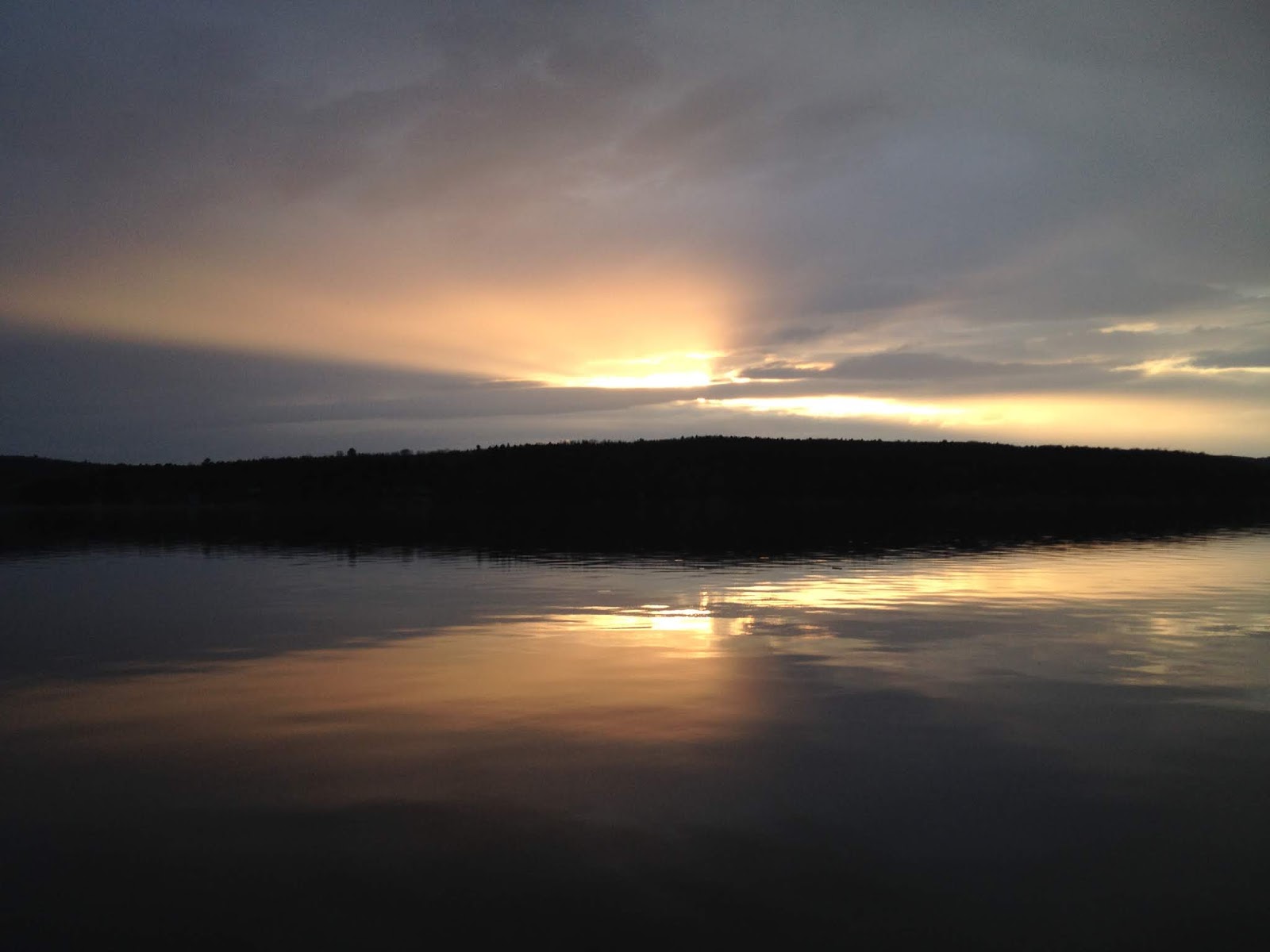
Monday, May 2, 2016

A Book of the Seasons: May 2 (march hawks, peepers and pickerel frogs, aspens leafing, sedge and willow in flower, yellowbird and honey bees, peetweet on a rock)


The year is but a succession of days,
and I see that I could assign some office to each day
which, summed up, would be the history of the year.
Henry Thoreau, August 24, 1852


One frog begins then
the whole pond joins in until
all stop together.


May 2, 2019

Sit without fire to-day and yesterday. May 2, 1858


6 A. M. — Is not the chipping sparrow the commonest heard in the village streets in the mornings now, sitting on an elm or apple tree? May 2, 1852

The handsome blood-red lacquered marks on the edge and under the edge of the painted tortoise's shell . . . few colors like it in nature. This tortoise, too, like the guttata, painted on these parts of its shell and on legs and tail in this style, but throat bright yellow stripes, sternum dull yellowish or buff.  May 2, 1852

I heard yesterday, and perhaps for several days, the soft purring sound of what I take to be the Rana palustris, breeding, though I did not this time see the frog. May 2, 185

I compare the three Rana palustris caught yesterday with the male and female of April 23d. May 2, 1858

At mouth of the Mill Brook, I hear, I should say, the true R. halecina croak, i. e. with the faint bullfrog-like er-er-er intermixed. Are they still breeding? May 2, 1858

Hear a tree-toad.  May 2, 1858

The little frogs peep more or less during the day, but chiefly at evening twilight, rarely in the morning. They peep at intervals. One begins, then all join in over the whole pond, and they suddenly stop all together. May 2, 1852

The little frogs I kept three days in the house peeped at evening twilight, though they had been silent all day; never failed; swelled up their little bagpipes, transparent, and as big as a small cherry or a large pea. May 2, 1852

Their croaking is the most earthy sound now, a rustling of the scurf of the earth, not to be overlooked in the awakening of the year. It is such an earth-sound. May 2, 1852

Was that a harrier seen at first skimming low then seating and circling, with a broad whiteness on the wings beneath? May 2, 1855

If I were to be a frog hawk for a month I should soon know some things about the frogs. . . . I have seen more of them than usual since I too have been looking for frogs. May 2, 1858

Saw many crow blackbirds day before yesterday.May 2, 1859

See and hear the red-wings in flocks yet, making a great noise. May 2, 1858

Aspen leaves of young trees an inch long suddenly. The leafing is apparently comparatively earlier this year than the flowering. The young aspens are the first of indigenous trees conspicuously leafed. May 2, 1855

I am surprised by the tender yellowish green of the aspen leaf just expanded suddenly, even like a fire, seen in the sun, against the dark-brown twigs of the wood, though these leafets are yet but thinly dispersed. It is very enlivening. May 2, 1859

That small native willow now in flower, or say yesterday, just before leaf. May 2, 1855

Salix alba apparently yesterday. May 2, 1860

I see on the Salix rostrata by railroad many honey bees laden with large and peculiarly orange-colored pellets of its pollen. May 2, 1859

Summer yellowbird on the opening Salix alba. 
May 2, 1853

Chimney swallows and the bank or else cliff ditto. May 2, 1853

Small pewee? May 2, 1853

Small pewee and young lackey caterpillars. May 2, 1859

The naked viburnum is leafing. May 2, 1860

Amelanchier Botryapium
yesterday leafed.  May 2, 1855

Vigorous look the little spots of triangular sedge (?) springing up on the river-banks, five or six inches high, yellowish below, glaucous and hoary atop, straight and rigid. May 2, 1855

The sedge apparently Carex Pennsylvanica has now been out on low ground a day or two. May 2, 1860

Our earliest gooseberry in garden has bloomed. May 2, 1853

Missouri currantMay 2, 1853

The early potentillas are now quite abundant. May 2, 1860

Those swarms of small miller-like insects which fly low over the surface of the river. May 2, 1859

I am pretty sure that is the myrtle-bird I see and hear on the Corner road, picking the blossoms of the maple, with the yellow crown and black throat or cheeks. It sings pe-te-te-te-ter twe', emphasizing the last and repeating the second, third, and fourth fast. May 2, 1852

The tea lee of the yellow-rump warbler in the street, at the end of a cool, rainy day. May 2, 1856

See stake-driver. May 2, 1858

Peetweet on a rock. May 2, 1858

A peetweet and its mate at Mantatuket Rock. The river seems really inhabited when the peetweet is back. May 2, 1859


*****
A Book of the Seasons,  by Henry Thoreau, the Aspens
A Book of the Seasons,  by Henry Thoreau, The Marsh Hawk


March 27, 1855 (“See my frog hawk. . . .It is the hen-barrier, i.e. marsh hawk, male. Slate-colored; beating the bush; black tips to wings and white rump. ")
March 29, 1854 (See two marsh hawks, white on rump.")
March 30, 1856 ("May have been a marsh hawk or harrier.")
April 1, 1860 ("Our gooseberry begins to show a little green, but not our currant")
April 3, 1853 ("The Missouri currant is perhaps more advanced than the early gooseberry in our garden.")
April 3, 1858 ("Their note is a hard dry tut tut tut tut, . . . and from time to time one makes that faint somewhat bullfrog-like er er er. Both these sounds, then, are made by one frog.")
April 5, 1854 ("These days . . . bring out the butterflies and the frogs, and the marsh hawks which prey on the last. Just so simple is every year.”)
April 8, 1856 ("Marsh hawks circling low shows that frogs must be out.");
April 19, 1858 ("He skims along exactly over the edge of the water, on the meadowy side, not more than three or four feet from the ground and winding with the shore, looking for frogs.")
April 22, 1856 (“A marsh hawk, in the midst of the rain, is skimming along the shore of the meadow, close to the ground, . . . It is looking for frogs.”)
April 24, 1855 ("The  Saliz alba begins to leaf. ")
April 24, 1858 ("I go at 8 A.M. to catch frogs to compare with the R. palustris and bull frog which I have, but I find it too cold for them")
April 26, 1854 ("The woods are full of myrtle-birds this afternoon, more common and commonly heard than any, especially along the edge of woods on oaks, etc., — their note an oft-repeated fine jingle, a tea le, tea le, tea le.")
April 29, 1855 ("For two or three days the Salix alba, with its catkins (not yet open) and its young leaves, or bracts (?), has made quite a show, before any other tree, —a pyramid of tender yellowish green in the russet landscape.")
April 30, 1852 ("At Saw Mill Run the swamp gooseberry is partly leaved out. This, . . .methinks is the earliest shrub or tree that shows leaves. [The Missouri currant in gardens is equally forward; the cultivated gooseberry nearly so.]")
April 30, 1855 ("Red-wing blackbirds now fly in large flocks, covering the tops of trees—willows, maples, apples, or oaks—like a black fruit , and keep up an incessant gurgling and whistling.")
April 30, 1855 ("The early willow by Hubbard’s Bridge has not begun to leaf. This would make it a different species from that by railroad, which has.")
April 30, 1856 (“I hear the small pewee’s tche-vet’ repeatedly.”)
April 30, 1856 (“As I go along the Assabet, a peetweet skims away from the shore.”)
April 30, 1858 ("It is somewhat more softly purring, with frequently a low quivering, chuckling, or inquisitive croak, . . . I suspect it is the R. palustris, now breeding.")
April 30, 1859 (Salix alba leafing, or stipules a quarter of an inch wide; probably began a day or two.")
April 30, 1859 ("The viburnum buds are so large and long, like a spear-head, that they are conspicuous the moment their two leafets diverge and they are lit up by the sun.")
May 1, 1854 ("The viburnum (Lentago or nudum) leaves unexpectedly forward at the Cliff Brook and about Miles Swamp.")
May 1, 1854 ("The water is strewn with myriads of wrecked shad-flies, erect on the surface, with their wings up like so many schooners all headed one way.”)
May 1, 1854 (“At Lee's Cliff find the early cinquefoil”)
 May 1, 1855 ("The myrtle-bird is one of the commonest and tamest birds now. It catches insects like a pewee, darting off from its perch and returning to it, and sings something like a-chill chill, chill chill, chill chill, a-twear, twill twill twee,")
May 1, 1858 ("I also hear the myrtle-birds on the Island woods. Their common note is somewhat like the chill-lill or jingle of the F. hyemalis.")
May 1, 1858 (“Ephemerae quite common over the water.”)
May 1, 1858 ("I do not see a single R. halecina. What has become of the thousands with which the meadows swarmed a month ago? They have given place to the Rpalustris.")
May 1, 1859 ("Looking from Clamshell over Hosmer's meadow, about half covered with water, see hundreds of turtles, chiefly picta, now first lying out in numbers . . .All up and down our river meadows their backs are shining in the sun to-day. It is a turtle day.")


May 3, 1857 ("I hear the soft, purring, stertorous croak of frogs on the meadow.")
May 3, 1854 ("What I have called the small pewee on the willow by my boat, — quite small, uttering a short tchevet from time to time.") 
May 3, 1855 ("Small pewee; tchevet, with a jerk of the head.")
May 3, 1857 (“”To-day we sit without fire")
 May 3, 1854 (“What I have called the small pewee on the willow by my boat, — quite small, uttering a short tchevet from time to time)
May 3, 1855 “Small pewee; tchevet, with a jerk of the head.”)
May 4, 1855 (" Myrtle-birds numerous, and sing their tea lee, tea lee in morning")
May 4, 1856 ("Shad-flies on the water, schooner-like.”)
May 4, 1856 (“See a peetweet on Dove Rock, which just peeps out. As soon as the rocks begin to be bare the peetweet comes and is seen teetering on them and skimming away from me.”)
May 4, 1856 ("The aspen there [the Island]just begun to leaf.")
May 4, 1858 ("I find hopping in the meadow a Rana halecina, much brighter than any I have seen this year. There is not only a vivid green halo about each spot, but the back is vivid light-green between the spots. I think this was not the case with any of the hundreds I saw a month ago!! Why??")
May 4, 1860 ("Currant out a day or two at least, and our first gooseberry a day later.")
May 5, 1858 ("The aspen leaves at Island to-day appear as big as a nine pence suddenly")
May 5, 1858 ("Saw and heard the small pewee yesterday.”)
May 6, 1858 (“The Salix rostrata staminate flowers are of very peculiar yellow, — a bright, what you might call yellow yellow.”)
May 7, 1852 ("The first summer yellow-birds on the willow causeway. The birds I have lately mentioned come not singly, as the earliest, but all at once, i. e. many yellowbirds all over town. Now I remember the yellowbird comes when the willows begin to leave out. (And the small pewee on the willows also.) ")
May 7, 1852 (“The first small pewee sings now che-vet, or rather chirrups chevet, tche-vet — a rather delicate bird with a large head and two white bars on wings. . . . Now I remember the yellowbird comes when the willows begin to leave out. (And the small pewee on the willows also.) ”)
May 7, 1853 ("As I advance up the Assabet, the lively note of the yellowbird is borne from the willows.")
May 8, 1860 ("The cinquefoil is closed in a cloudy day, and when the sun shines it is turned toward it.")
May 10, 1853 ("At this season the traveller passes through a golden gate on causeways where these willows are planted, as if he were approaching the entrance to Fairyland; and there will surely be found the yellowbird, and already from a distance is heard his note, a tche tche tche tcha tchar tcha, — ah, willow, willow.") 
May 10, 1858 ("For some days the Salix alba have shown their yellow wreaths here and there, suggesting the coming of the yellowbird, and now they are alive with them.")
May 17, 1853 ("The early cinquefoil is now in its prime and spots the banks and hillsides and dry meadows with its dazzling yellow. How lively! It is one of the most interesting yellow flowers. ")
May 17, 1860 ("Standing in the meadow near the early aspen at the island, I hear the first fluttering of leaves, - a peculiar sound, at first unaccountable to me”) 

May 2, 2014

If you make the least correct 
observation of nature this year,
 you will have occasion to repeat it
 with illustrations the next, 
and the season and life itself is prolonged.
 
May 1  < <<<<< May 2  >>>>> May 3


A Book of the Seasons,  by Henry Thoreau
A Book of the Seasons,  by Henry Thoreau, May 2
"A book, each page written in its own season,
out-of-doors, in its own locality.”
~edited, assembled and rewritten by zphx © 2009-2023 

https://tinyurl.com/HDT2May


The tea lee of the "yellow-rump warbler".


May 2.

The tea lee of the yellow-rump warbler in the street, at the end of a cool, rainy day.*

May 2, 2016

H. D. Thoreau, Journal, May 2, 1856

*In a footnote HDT later identified this "tea lee" bird as the white-throated  sparrow. 
According to Torrey, in May 1853 HDT confused the white-throated sparrow's "tull lull" song as that of the myrtle bird, and as late as "1857, the song of the white-throat is still attributed to the myrtle-bird." Not until January, 1858, did Thoreau get "what appears to be his first intimation as to the real authorship of this song."  See January 15, 1858 ("Dr. Kneeland . . . making the note of the myrtle-bird, ah, te-te-te te-te-te te-te-te, exactly . . . said that that was the note of the white throated sparrow"); June 21, 1858 ("Mr. Bryant at the Natural History Rooms agrees with Kneeland in thinking that what I call the myrtle-bird’s is the white-throat sparrow’s note.") See also September 20, 1853 ("I saw the Fringilla hyemalis; also a bird a little smaller  maybe, brownish and yellowish  with some white tail-feathers, which I think makes the tull-lull sound, hopping on the wood-pile. Is not this the myrtle-bird? Their note interested me because I formerly had many a chase in a spring morning in the direction of this sound, in vain, to identify the bird.");  October 28, 1853 ("The yellow-crowned warbler . . . my tull-lulls of the Moosehead Carry."); April 26, 1854 ("The woods are full of myrtle-birds this afternoon, more common and commonly heard than any, especially along the edge of woods on oaks, etc., — their note an oft-repeated fine jingle, a tea le, tea le, tea le."); April 19,1855 ("Hear the tull-lull of the white-throated sparrow in street”); May 4, 1855 (" Myrtle-birds numerous, and sing their tea lee, tea lee in morning");  May 6, 1855 (“Myrtle-birds very numerous just beyond Second Division. They sing like an instrument, teee teee te, t t t, t t t, on very various keys . . . Many white-throated sparrows there.”); May 5, 1857 ('Hear the tull-lull of a myrtle-bird (very commonly heard for three or four days after");  May 6, 1858 ("Heard a myrtle-bird's tull-lull yesterday, and that somebody else heard it four or five days ago."); May 3, 1859 ("Hear the te-e-e of a white-throat sparrow. "); May 6, 1859 ("Hear the tea-lee of the white-throat sparrow");  May 7, 1860 ("Hear the white throat sparrow’s peabody note in gardens.")

The yellow-rump warbler / myrtle-bird / yellow-crowned warbler, See April 11, 1853   ("At Natural History Rooms . . . The yellow-rump warbler (what is it in Nuttall?) is bluish-gray, with two white bars on wings, a bright yellow crown, side breasts, and rump. Female less distinct.");  October 28, 1853 ("Little sparrow-sized birds flitting about amid the dry corn stalks and the weeds, — one, quite slaty with black streaks and a bright-yellow crown and rump, which I think is the yellow-crowned warbler,"); April 23, 1854 ("The myrtle-bird, –yellow-rumped warbler . . . on the willows, alders, and the wall by Hubbard's Bridge, slate and white spotted with yellow. Its note is a fine, rapid, somewhat hissing or whistling se se se se se ser riddler se, somewhat like the common yellowbird's."); May 7, 1855 (" I believe the yellow-rumped warbler has a note somewhat like the tweezer's.");  September 23, 1855 (“A little . . . bird on a.willow at Hubbard’s Causeway, eating a miller: with bright-yellow rump when wings open, and white on tail. Could it have been a yellow-rump warbler?”); October 14, 1855 ("Black bill and feet, yellow rump, brown above, yellowish-brown on head, cream-colored chin, two white bars on wings, tail black, edged with white, — the yellow-rump warbler or myrtle-bird without doubt."); September 29, 1858 ("One or two myrtle-birds in their fall dress, with brown head and shoulders, two whitish bars on wings, and bright-yellow rump.") See also Thomas Nuttall, A Manual of the Ornithology of the United States and of Canada 31  (1832) ("Yellow-Crowned Warbler or Myrtle-Bird (Sylvia coronet)")


Sunday, May 1, 2016

A Book of the Seasons: May 1. (flowers and birdsong, early purple grass, ovenbird, ruby-crowned wren, thrasher, myrtle-birds, violets, the ring of the toad)


The year is but a succession of days,
and I see that I could assign some office to each day
which, summed up, would be the history of the year.
Henry Thoreau, August 24, 1852


We have poetry –
flowers and the song of birds, 
before woods leaf out.


May 1, 2014

Sunday. A cold northwest wind. Now, on my return to Concord, I am struck by the increased greenness of the country, or landscape. May 1, 1853

There is an unaccountable sweetness as of flowers in the air, — a true May day. May 1, 1855

We have, then, flowers and the song of birds before the woods leaf out, – like poetry. May 1, 1852

Why have thwhite pines at a distance that silvery look around their edges or thin parts? Is it owing to the wind showing the under sides of the needles? Methinks you do not see it in the winter.  May 1, 1855

What various brilliant and evanescent colors on the surface of this agitated water, now, as we are crossing Willow Bay, looking toward the half-concealed sun over the foam-spotted flood! It reminds me of the sea.  May 1, 1855

The water is strewn with myriads of wrecked shad-flies, erect on the surface, with their wings up like so many schooners all headed one way. What an abundance of food they must afford to the fishes! May 1, 1854

Suddenly a large hawk sailed over from the Assabet . . . It was a fish hawk, with a very conspicuous white crown or head and a uniform brown above elsewhere; beneath white, breast and belly. Probably it was the male, which is the smaller and whiter beneath. A wedge-shaped tail. He alighted on a dead elm limb. May 1, 1858

After fifteen minutes came a crow from the Assabet and alighted cawing, about twenty rods from him [an osprey in an elm], and ten minutes later another. How alert they are to detect these great birds of prey! May 1, 1858

partridge bursts away from under the rock below me on quivering wings. May 1, 1852

The maples of Potter’s Swamp, seen now nearly half a mile off against the russet or reddish hillside, are a very dull scarlet, like Spanish brown, but one against a green pine wood is much brighter. May 1, 1855 

From the hilltop I look over Wheeler’s maple swamp. The maple-tops are now, I should say, a bright brick red. It is the red maple’s reign now. May 1, 1856

The sugar maple keys (or buds?) hang down one inch, quite. May 1, 1860 

The viburnum (Lentago or nudum) leaves unexpectedly forward at the Cliff Brook and about Miles Swamp. May 1, 1854

The climbing fern is persistent, i. e. retains its greenness still, though now partly brown and withered. May 1, 1859

How pleasing that early purple grass in smooth water! May 1, 1856

It occurs to me that that early purple grass on pools corresponds to the color of leaves acquired after the frosts in the fall, as if the cold had, after all, more to do with it than is supposed. May 1, 1858

As we sit on the steep hillside south of Nut Meadow Brook Crossing, we notice a remarkable whirlwind on a small scale, which carries up the oak leaves from that Island copse in the meadow.  May 1, 1859

Off and up they go
high into the clear blue deeps.
The flight of the leaves.
May 1, 1859

Apparently a skunk has picked up what I took to be the dead shrew in the Goose Pond Path. How they ransack the paths these nights ! May 1, 1857

I think I heard an oven-bird just now, - wicher wicher whicher wich. 
 May 1, 1852

Did I not see the oven-bird yesterday? May 1, 1853

Hear a golden-crested wren at Cedar Swamp .May 1, 1854

Hear the ruby-crowned wren. May 1, 1859

See a thrasher. May 1, 1859 

Hear a thrasher. May 1, 1858.

I hear the first towhee finch. He says to-wee, to-wee, and another, much farther off than I supposed when I went in search of him, says whip your ch-r-r-r-r-r-r, with a metallic ring. May 1, 1852

I hear a black and white creeper at the Cliffs, and a chewink. May 1, 1853.  See and hear chewink. May 1, 1859

I also hear the myrtle-birds on the Island woods. Their common note is somewhat like the chill-lill or jingle of the F. hyemalis. May 1, 1858

The myrtle-bird
is one of the commonest and tamest birds now. It catches insects like a pewee, darting off from its perch and returning to it, and sings something like a-chill chill, chill chill, chill chill, a-twear, twill twill twee, May 1, 1855

I am on the Cliff. It is about six. The flicker cackles. I hear a woodpecker tapping. The tinkle of the huckleberry-bird comes up from the shrub oak plain. May 1, 1852

The columbines have been out some days. May 1, 1853. I think that the columbine cannot be said to have blossomed there [Lee's Cliff] before to-day, — the very earliest. May 1, 1854

The scrolls of the ferns clothed in wool at Sassafras Shore, five or six inches high. May 1, 1856

Thalictrum anemonoides at Conant Cliff. May 1, 1855. 

Thalictrum anemonoides well out, probably a day or two, same shore, by the apple trees. May 1, 1856

Viola ovata
on southwest side of hill, high up near pines. May 1, 1856.

 Viola ovata (Ellen Emerson found it April 20th), May 1, 1853

At Clamshell, the Viola blanda. I do not look for pollen. May 1, 1855

Have we the Viola lanceolataMay 1, 1853


Plucked the Arum triphyllum, three inches high, with its acrid corm (solid bulb), from the edge of Saw Mill Brook. May 1, 1857

Looking from Clamshell over Hosmer's meadow, about half covered with water, see hundreds of turtles, chiefly picta, now first lying out in numbers on the brown pieces of meadow which rise above the water. . . . All up and down our river meadows their backs are shining in the sun to-day. It is a turtle day. May 1, 1859

Two sternothaeruses which I catch emit no scent yet. May 1, 1858

Snakes are now common on warm banks. May 1, 1854

See a little snake on the dry twigs and chips in the sun, near the arbutus, apparently Coluber amamus. May 1, 1859

First notice the ring of the toad, as I am crossing the Common in front of the meeting-house. There is a cool and breezy south wind, and the ring of the first toad leaks into the general stream of sound, unnoticed by most, . . .. The bell was ringing for town meeting, and every one heard it, but It is a sound from amid the waves of the aerial sea, that breaks on our ears with the surf of the air, a sound that is almost breathed with the wind. May 1, 1857

The toads are so numerous, some sitting on all sides, that their ring is a continuous sound throughout the day and night, . . .as uninterrupted to the ear as the rippling breeze or the circulations of the air itself, for when it dies away on one side it swells again on another, and if it should suddenly cease all men would exclaim at the pause, though they might not have noticed the sound itself. May 1, 1858

I find many apparent young bullfrogs in the shaded pools on the Island Neck. Probably R. fontinalis. May 1, 1858 

A warm and pleasant day, reminding me of the 3d of April when the R. halecina waked up so suddenly and generally, and now, as then, apparently a new, allied frog is almost equally wide awake, — the one of last evening (and before). May 1, 1858

I do not see a single R. halecina. What has become of the thousands with which the meadows swarmed a month ago? They have given place to the R. palustris. Only their spawn, mostly hatched and dissolving, remains, and I expect to detect the spawn of the palustris soon. May 1, 1858 

As I sit above the Island, waiting for the Rana palustris to croak, I see many minnows from three quarters to two inches long, but mostly about one inch. They have that distinct black line along each side from eye to tail on a somewhat transparent brownish body. May 1, 1858

The inhabitants of the river are peculiarly wide awake this warm day, — fishes, frogs, and toads, from time to time, — and quite often I hear a tremendous rush of a pickerel after his prey. They are peculiarly active, maybe after the Rana palustris, now breeding. It is a perfect frog and toad day. May 1, 1858

I get sight of ten
or twelve Rana palustris
and catch three of them.
May 1, 1858

I hear the wood thrush, which still thrills me, - a sound to be heard in a new country ,- from one side of a clearing. May 1, 1852

Leaving the woods I hear the hooting of an owl, which sounds very much like a clown calling to his team. May 1, 1852

*****
A Book of the Seasons,  by Henry Thoreau, The Violets
A Book of the Seasons,  by Henry Thoreau, The Red Maple
A Book of the Seasons,  by Henry Thoreau, The White Pines
A Book of the Seasons,  by Henry Thoreau, The Myrtle-bird
A Book of the Seasons,  by Henry Thoreau, The Oven-bird
A Book of the Seasons,  by Henry Thoreau, The Field Sparrow 
A Book of the Seasons,  by Henry Thoreau, The Partridge
A Book of the Seasons,  by Henry Thoreau, The Osprey 


May 1, 2024


If you make the least correct 
observation of nature this year,
 you will have occasion to repeat it
 with illustrations the next, 
and the season and life itself is prolonged.


A Book of the Seasons,  by Henry Thoreau
A Book of the Seasons,  by Henry Thoreau, May 1
"A book, each page written in its own season,
out-of-doors, in its own locality.”
~edited, assembled and rewritten by zphx © 2009-2022 

We have, then, flowers and the song of birds before the woods leaf out, – like poetrySee

Spring flowers flash out,
the blossom precedes the leaf.
So with poetry.
April 28, 1852

There is an unaccountable sweetness as of flowers in the air, — a true May day
. See May 6, 1855 ("that unaccountable fugacious fragrance, as of all flowers, bursting forth in air,. . .the general fragrance of the year.. . . It surpasses all particular fragrances."); May 16, 1854 ("The earth is all fragrant as one flower. ”) May 16, 1852 (“The whole earth is fragrant as a bouquet held to your nose. A fine, delicious fragrance, which will come to the senses only when it will.”).

Why have the white pines at a distance that silvery look around their edges or thin parts? See April 29, 1852 ("The pines have an appearance they have not worn before, yet not easy to describe. The mottled sunlight and shade, seen looking into the woods, is more like summer.”); May 18, 1852 ("the dark-green pines, wonderfully distinct, near and erect, with their distinct dark stems, spiring tops, regularly disposed branches, and silvery light on their needles.”). February, 5, 1852 ("The boughs, feathery boughs, of the white pines, tier above tier, reflect a silvery light against the darkness of the grove, as if both the silvery-lighted and greenish bough and the shadowy intervals of the shade behind belong to one tree.”) See also A Book of the Seasons , White Pines

It is the red maple’s reign now. 
See April 24, 1857 ("I see the now red crescents of the red maples in their prime . . . above the gray stems."); April 28, 1855 ("The red maples, now in bloom, are quite handsome at a distance over the flooded meadow beyond Peter’s. The abundant wholesome gray of the trunks and stems beneath surmounted by the red or scarlet crescents.”) April 26, 1855 ("The blossoms of the red maple (some a yellowish green) are now most generally conspicuous and handsome scarlet crescents over the swamps. “);May 1, 1855 ("The maples of Potter’s Swamp, seen now nearly half a mile off against the russet or reddish hillside, are a very dull scarlet, like Spanish brown . . .”); May 7, 1854 (A spreading red maple in bloom, seen against a favorable background, as water looking down from a hillside, presenting not a dense mass of color but an open, graceful and ethereal top of light crimson or scarlet . . .”). See also A Book of the Seasons,  by Henry Thoreau, The Red Maple

The sugar maple keys (or buds?) hang down one inch, quite. See May 6, 1860 ("Maple keys an inch and a half long."); May 10, 1852 ("Are those the young keys of sugar maples that I see?"); June 2, 1856 ("White maple keys conspicuous.”)

As we sat on the steep hillside south of Nut Meadow Brook Crossing, we noticed a remarkable whirlwind. See April 7, 1860 ("As we were ascending the hill in the road beyond College Meadow, we saw . . . a small whirlwind. . .taking up a large body of withered leaves beneath it, which were whirled about with a great rustling and carried forward with it into the meadow, frightening some hens there.”); December 11, 1858 ("A “swirl,” applied to leaves suddenly caught up by a sort of whirlwind, is a good word enough, methinks.")

The climbing fern is persistent, i. e. retains its greenness still, though now partly brown and withered
. CLIMBING FERN, or Hartford Fern (Lygodium palmatum) . A species of fern found, rarely, from Massachusetts to Kentucky and southward, remarkable for climbing or twining around weeds and shrubs ~ Wikisource. See October 2, 1859 (“The climbing fern is perfectly fresh, — and apparently therefore an evergreen, — the more easily found amid the withered cinnamon and flowering ferns.”); November 30, 1851 (“The Lygodium palmatum is quite abundant on that side of the swamp, twining round the goldenrods”)

How pleasing that early purple grass in smooth water! See April 29, 1855 ("That lake grass — or perhaps I should call it purple grass — is now apparently in perfection on the water.” . . . )

Plucked the Arum triphyllum, three inches high, with its acrid corm
. See May 19, 1851 ("Find the Arum triphyllum and the nodding trillium, or wake-robin, in Conant's Swamp.")f

Apparently a skunk has picked up what I took to be the dead shrew in the Goose Pond Path. See July 31, 1856 ("Another short-tailed shrew dead in the wood-path."); July 12, 1856 (“I have found them thus three or four times before. . . .Have I not commonly noticed them dead after rain?”)

I think I heard an oven-bird just now, - wicher wicher whicher wich
. See April 27, 1854 (“Hear a faint sort of oven-bird's (?) note.”); May 4, 1855 (“In cut woods a small thrush, with crown inclining to rufous, tail foxy, and edges of wings dark-ash; clear white beneath. I think the golden-crowned?”); May 7, 1852 (“The first oven-bird.”); May 7, 1853 (“The woods now begin to ring with the woodland note of the oven-bird.”); May 9, 1857 (“Golden-crowned thrush note. ”); May 10, 1858 (“As I paddle along, hear the Maryland yellow-throat, the bobolink, the oven-bird, and the yellow-throated vireo.”); May 12, 1855 (“Hear an oven-bird.”); May 13, 1856 (“Also the oven-bird sings.”) See also A Book of the Seasons, by Henry Thoreau, The Oven-bird.

Snakes are now common on warm banks.
See April 20, 1854 ("A striped snake on a warm, sunny bank.")

A little snake (Coluber punctatus)
-- See Snakes of Massachusetts ringneck snake. Compare HDT’s other "Coluber amaenus” snakes, conforming generally to the redbelly snake (Storeria occipitomaculata occipitomaculata): October 11, 1856 (“It is apparently Coluber amaenus, the red snake. Brown above, light-red beneath, about eight inches long . . . It is a conspicuous light red beneath, then a bluish-gray line along the sides, and above this brown with a line of lighter or yellowish brown down the middle of the back.”); September 9, 1857 ("It was a dark ash-color above, with darker longitudinal lines, light brick-red beneath. There were three triangular buff spots just behind the head, one above and one each side. It is apparently Coluber amaenus”); April 29, 1858 (“A little brown snake with blackish marks along each side of back and a pink belly. Was it not the Coluber amaenus?”)

It is a turtle day.
See August 28, 1856 ("Has not the great world existed for them as much as for you?”) See also A Book of the Seasons, by Henry Thoreau, The Painted Turtle

Two sternothaeruses which I catch emit no scent yet.
See April 1, 1858 ("I see six Sternothaerus odoratus in the river thus early. . . .. I took up and smelt of five of these, and they emitted none of their peculiar scent!”); June 16, 1858 (“Two sternothaerus which I smell of have no scent to-day.”) See also A Book of the Seasons, by Henry Thoreau, the Musk Turtle (Sternothaerus odoratus )

Leaving the woods I hear the hooting of an owl, which sounds very much like a clown calling to his team. See November 18, 1851 (“ Now at sundown I hear the hooting of an owl, — hoo hoo hoo, hoorer hoo. It sounds like the hooting of an idiot or a maniac broke loose”)

Crescents of bright brick red above and amid a maze of ash-colored branches.

May 1


6 P. M. —To Hill. 

I judge that the larch blossomed when the anthers began to be loose and dry and yellow on their edges. Say then the 28th. 

The water on the meadows is rapidly going down. I am now confined to the river for the most part. The water begins to feel as warm or warmer than the air when cool. 

The scrolls of the ferns clothed in wool at Sassafras Shore, five or six inches high. 


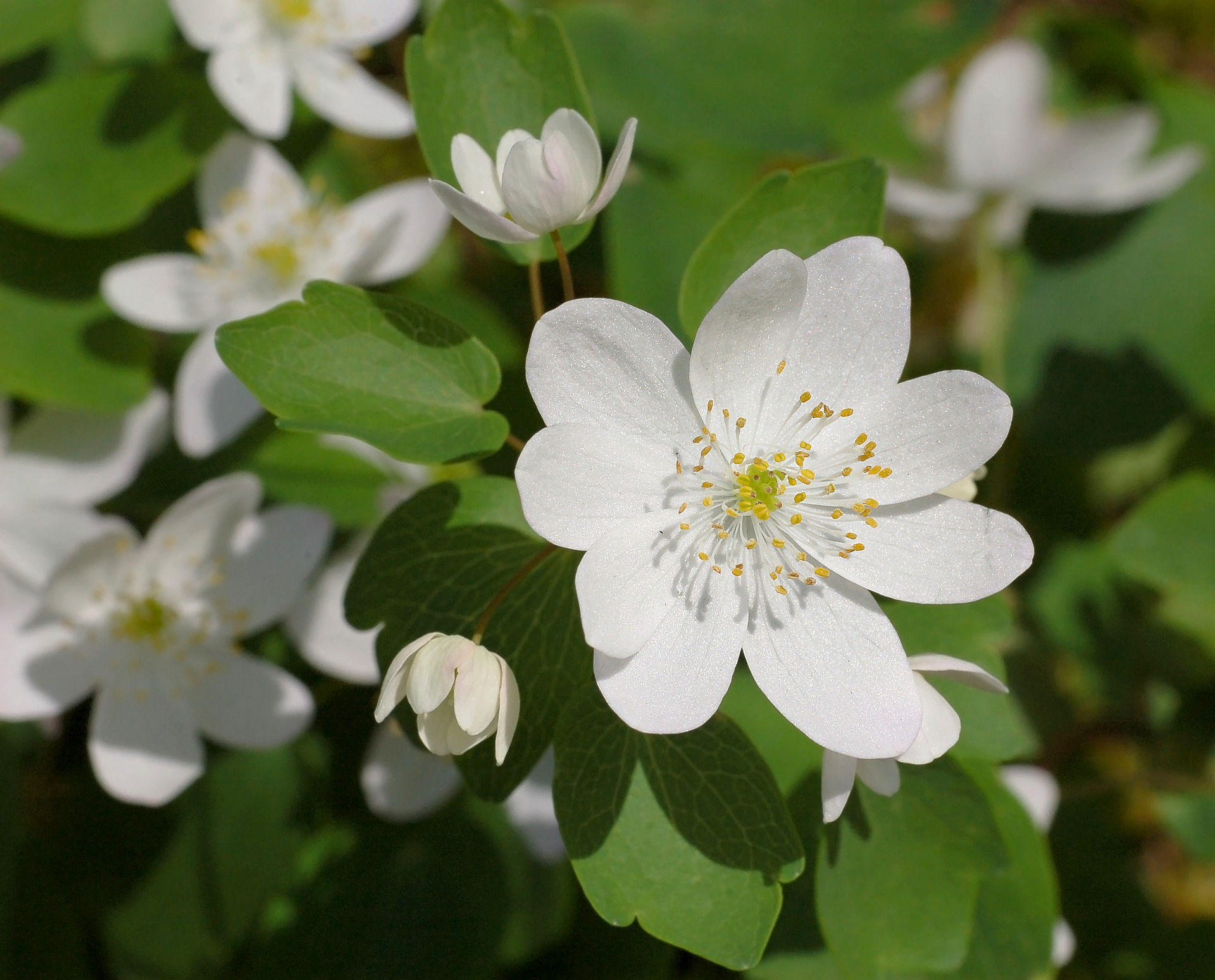
Rue Anemone Thalictrum thalictroides Flower 2479px.jpg
(Originally described as Anemone thalictroides by Linnaeus in 1753 )
Wikipedia

Thalictrum anemonoides well out, probably a day or two, same shore, by the apple trees. 

Viola ovata on southwest side of hill, high up near pines. 

How pleasing that early purple grass in smooth water! Half a dozen long, straight purple blades of different lengths but about equal width, close together and exactly parallel, resting flat on the surface of the water. There is something agreeable in their parallelism and flatness. 

From the hilltop I look over Wheeler’s maple swamp. The maple-tops are now, I should say, a bright brick red. It is the red maple’s reign now, as the peach and the apple will have theirs. Looking over the swamps a quarter of a mile distant, you see dimly defined crescents of bright brick red above and amid a maze of ash-colored branches.

H. D. Thoreau, Journal, May 1, 1856

I judge that the larch blossomed when the anthers began to be loose and dry and yellow on their edges. Say then the 28th. . . . See April 23, 1855 ("The anthers of the larch are conspicuous, but I see no pollen.”) April 24, 1854 ("The larch will apparently blossom in one or two days at least, both its low and broad purple-coned male flowers and its purple-tipped female cones.”); April 25, 1856 ("Larch not yet sheds pollen.”);  April 27, 1856  ("I find none of Monroe’s larch buds shedding pollen, but the anthers look crimson and yellow, and the female flowers are now fully expanded and very pretty, but small. I think it will first scatter pollen to-morrow.”)  April 29, 1855 (“A few of the cones within reach on F. Monroe’s larches shed pollen; say, then, yesterday The crimson female flowers are now handsome but small); April 29, 1856 ("Monroe’s larch staminate buds have now erected and separated their anthers, and they look somewhat withered, as if they had shed a part of their pollen. If so, they began yesterday. ”); April 30, 1857 (“The larch plucked yesterday sheds pollen to-day in house, probably to-day abroad.”)  See also A Book of the Seasons,  by Henry Thoreau the Larch in Spring

It is the red maple’s reign now. . .  See April 24, 1857 ("I see the now red crescents of the red maples in their prime . . . above the gray stems."); April 28, 1855 ("The red maples, now in bloom, are quite handsome at a distance over the flooded meadow beyond Peter’s. The abundant wholesome gray of the trunks and stems beneath surmounted by the red or scarlet crescents.”)  April 26, 1855 ("The blossoms of the red maple (some a yellowish green) are now most generally conspicuous and handsome scarlet crescents over the swamps. “);May 1, 1855 ("The maples of Potter’s Swamp, seen now nearly half a mile off against the russet or reddish hillside, are a very dull scarlet, like Spanish brown . . .”); May 7, 1854 (A spreading red maple in bloom, seen against a favorable background, as water looking down from a hillside, presenting not a dense mass of color but an open, graceful and ethereal top of light crimson or scarlet . . .”).

Thalictrum anemonoides [rue-anemone] well out, probably a day or two, same shore, by the apple trees. See May 1, 1855 ("Thalictrum anemonoides at Conant Cliff. Did not look for pollen.”). See also April 8, 1859 ("The earliest peculiarly woodland herbaceous flowers are epigaea, anemone, thalictrum, and — by the first of May — Viola pedata.”); April 27, 1860 (“Thalictrum anemonoides are abundant, maybe two or three days, at Blackberry Steep”); May 5, 1854 (“Thalictrum anemonoides by Brister's Spring on hillside.”); May 5, 1860 (“Anemone and Thalictrum anemonoides are apparently in prime about the 10th of May.”);  May 11, 1854 (“The Thalictrum anemonoides is a perfect and regular white star..”)

How pleasing that early purple grass in smooth water! See April 29, 1855 ("That lake grass — or perhaps I should call it purple grass — is now apparently in perfection on the water.” . . . )

Popular Posts Last 30 Days.

The week ahead in Henry’s journal

The week ahead in Henry’s journal
A journal, a book that shall contain a record of all your joy.
"A stone fruit. Each one yields me a thought." ~ H. D. Thoreau, March 28, 1859


I sit on this rock
wrestling with the melody
that possesses me.