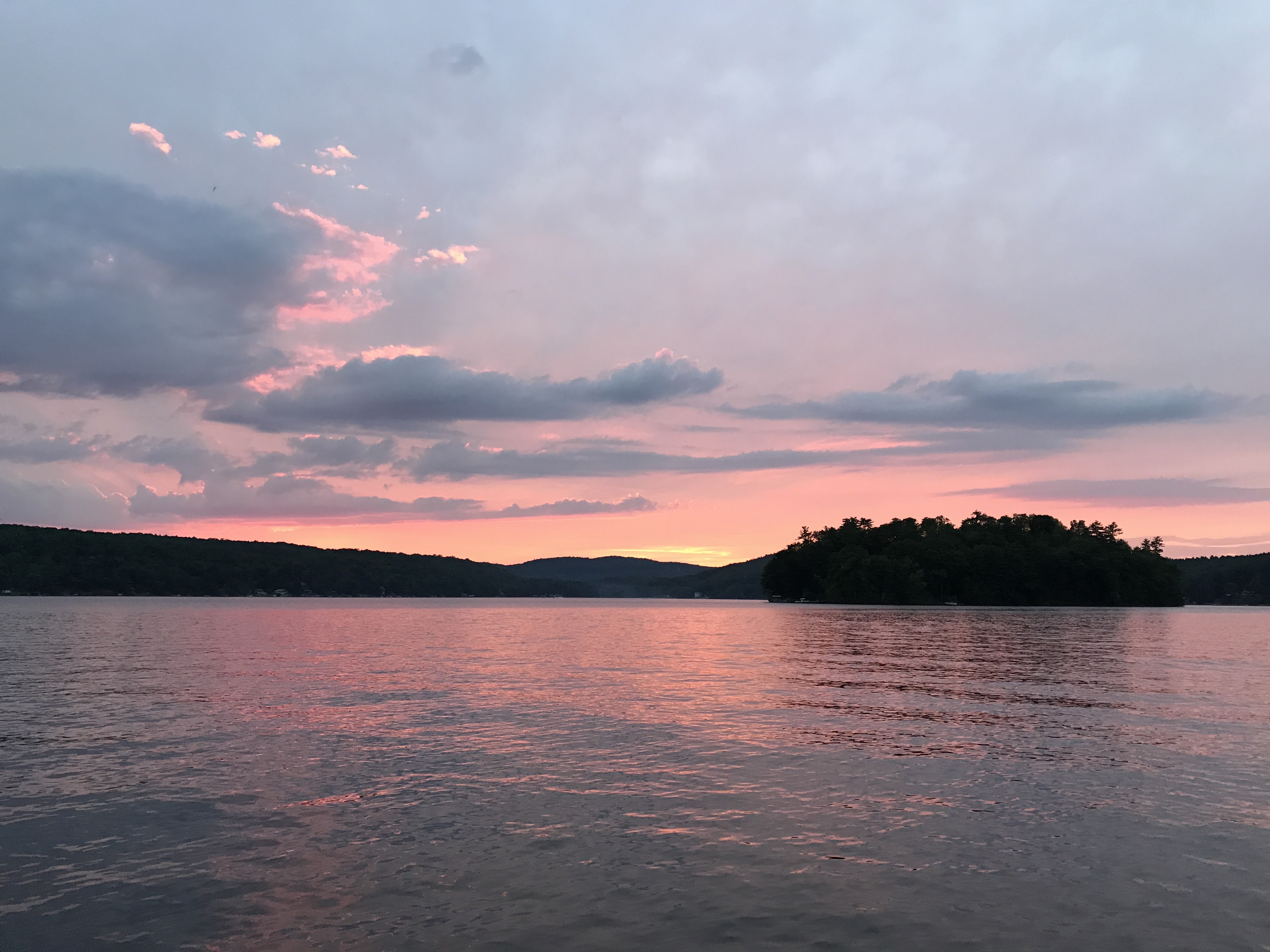
Walking up and down
river in torrid weather
with only a hat.
I lift my hat
to let the air
cool my head.

Bream poised over its
sandy nest on waving fin –
how aboriginal!
So it has poised here
and watched its ova before
this New World was known.
I see a brood of
young peeps running on the beach
under the sand-hills.
July 10, 1855
Back fly specimen
accidentaly pressed in
the botanist’s book.
Densely growing sedge
reflecting bright-yellowish
light from the hillsides ...
these lights and shadows
of the grass make the charm of
a walk at present.
Another day, if possible still hotter than the last. July 10, 1852.
We have already had three or four such, and still no rain. July 10, 1852.
The stones lying in the sun on this hillside where the grass has been cut are as hot to the hand as an egg just boiled, and very uncomfortable to hold. July 10, 1852.
Every hour we expect a thundershower to cool the air, but none comes. July 10, 1852
Today, like yesterday, is very hot, with a blue haze concealing the mountains and hills, looking like hot dust in the air. July 10, 1859
Yesterday a heavy rain. July 10, 1856
Wentworth says he once collected one hundred pounds of spruce gum and sold it at Biddeford for forty cents per pound. July 10, 1858
Says there are “sable lines” about here. July 10, 1858
They trap them, but rarely see them. July 10, 1858
His neighbor, who lives on the hill behind where we camped on the 6th, has four hours more sun than be. July 10, 1858
He can, accordingly, make hay better, but W. beats him in corn. July 10, 1858
The days are about forty minutes longer on top of Mt. Washington than at seashore, according to guide-book. July 10, 1858
The sun set to us here at least an hour earlier than usual. July 10, 1858
This ravine at the bottom of which we were, looking westward up it, had a rim somewhat like that of the crater of a volcano. July 10, 1858
The head of it bore from camp about N. 65° W., looking nearer than it was; the highest rock, with the outline of a face on it on the south rim, S. 32° W.; a very steep cliff on the opposite side, N. 20° W.; and over the last we judged was the summit of Mt. Washington. July 10, 1858
As I understood Wentworth, this was in Pingree’s Grant; the Glen House in Pinkham’s Grant. July 10, 1858
To-day and yesterday clouds were continually drifting over the summit, commonly extending about down to the edge of the ravine. July 10, 1858
When we looked up that way, the black patch made by our fire looked like a shadow on the mountainside. July 10, 1858
When I tasted the water under the snow arch the day before, I was disappointed at its warmth, though it was in fact melted snow; but half a mile lower it tasted colder. July 10, 1858
Probably, the ice being cooled by the neighbor hood of the snow, it seemed thus warmer by contrast. July 10, 1858
The only animals we saw about our camp were a few red squirrels. July 10, 1858
W. said there were striped ones about the mountains. July 10, 1858
The Fringilla hyemalis was most common in the upper part of the ravine, and I saw a large bird of prey, perhaps an eagle, sailing over the head of the ravine. July 10, 1858.
The wood thrush and veery sang regularly, especially morning and evening. July 10, 1858.
But, above all, the peculiar and memorable songster was that Monadnock-like one, keeping up an exceedingly brisk and lively strain. July 10, 1858
It was remarkable for its incessant twittering flow. July 10, 1858
Yet we never got sight of the bird, at least while singing, so that I could not identify it, and my lameness prevented my pursuing it. July 10, 1858
I heard it afterward, even in the Franconia Notch. July 10, 1858
It was surprising for its steady and uninterrupted flow, for when one stopped, another appeared to take up the strain. July 10, 1858
It reminded me of a fine corkscrew stream issuing with incessant lisping tinkle from a cork, flowing rapidly, and I said that he had pulled out the spile and left it running. July 10, 1858
That was the rhythm, but with a sharper tinkle of course. July 10, 1858
It had no more variety than that, but it was more remarkable for its continuance and monotonousness than any bird’s note I ever heard. July 10, 1858
It evidently belongs only to cool mountainsides, high up amid the fir and spruce. July 10, 1858
I saw once flitting through the fir-tops restlessly a small white it. July 10, 1858
Sometimes they appeared to be attracted by our smoke. July 10, 1858
The note was so incessant that at length you only noticed when it ceased. July 10, 1858
The black flies were of various sizes here, much larger than I noticed in Maine. July 10, 1858
They compelled me most of the time to sit in the smoke, which I preferred to wearing a veil. July 10, 1858
They lie along your forehead in a line, where your hat touches it, or behind your ears, or about your throat (if not protected by a beard), or into the rims of the eyes, or between the knuckles, and there suck till they are crushed. July 10, 1858
But fortunately they do not last far into the evening, and a wind or a fog disperses them. July 10, 1858
I did not mind them much, but I noticed that men working on the highway made a fire to keep them off. July 10, 1858
I find many of them accidentally pressed in my botany and plant book. July 10, 1858
A botanist’s books, if he has ever visited the primitive northern woods, will be pretty sure to contain these specimens of the black fly. July 10, 1858
Anything but mosquitoes by night. July 10, 1858
Plenty of fly-blowing flies, but I saw no ants in the dead wood; some spiders. July 10, 1858
In the afternoon, Hoar, Blake, and Brown ascended the slide on the south to the highest rock. July 10, 1858
They were more than an hour getting up, but we heard them shout distinctly from the top. July 10, 1858
Hoar found near the edge of the ravine there, between the snow there and edge, Rhododendron Lapponicum, some time out of bloom, growing in the midst of empetrum and moss; Arctostaphylos alpina, going to seed; Polygonum Mm'parum, in prime; and Salix herbacea, a pretty, trailing, roundish-leaved willow, going to seed, but apparently not so early as the S. Uva-ursi. v
Put some more black willow seed in a tumbler of water at 9.30 a. m. July 10, 1857.
One flower on the Solanum nigrum at Pratt's, which he says opened the 7th. July 10, 1857
He found, about a week ago, the Botrychium Virginianum in bloom, about the bass in Fever-bush Swamp. July 10, 1857
I see some lupine still in bloom, though many pods have been ripe some time. July 10, 1857
The tephrosia, which grows by Peter's road in the woods, is a very striking and interesting, if I may not say beautiful, flower, especially when, as here, it is seen in a cool and shady place, its clear rose purple contrasting very agreeably with yellowish white, rising from amidst a bed of finely pinnate leaves. Bigelow calls the flowers "very beautiful.” July 10, 1857
At evening I watch to see when my yellow wasps cease working. For some time before sunset there are but few seen going and coming, but for some time after, or as long as I could easily see them ten feet off, I saw one go forth or return from time to time. July 10, 1857
As I bathe under the swamp white oaks at 6 p.m. , hear a suppressed sound often repeated -- like perhaps the working of bees through a bung-hole -- which I already suspect to produced by owls. I am uncertain whether it is far or near. July 10, 1856
Proceeding a dozen rods up-stream on the south side, toward where a catbird mews incessantly, I find myself suddenly within a rod of a gray screech owl sitting on an alder bough with horns erect, turning its head from side to side and up and down, and peering at me in that same ludicrously solemn and complacent way that I had noticed in one in captivity. July 10, 1856
Another more red, also horned, repeats the same warning sound or call to its young about the same distance off in another direction on an alder. July 10, 1856
When they take flight they make some noise with their wings. July 10, 1856
With their short tails and squat figures they looked very clumsy -- all head and shoulders. July 10, 1856
Hearing a fluttering under the alders I draw near and find a young owl a third smaller than the old, all gray without obvious horns --only four or five feet distant. July 10, 1856
It flits along two rods and I follow it. July 10, 1856
I see at least two or more young. July 10, 1856
All this was close by that thick hemlock grove, and they perched on alders and an apple tree in the thicket there. July 10, 1856
These birds kept opening their eyes when I moved, as if to get clearer sight of me. July 10, 1856
The young were very quick to notice any motion of the old, and so betrayed their return by looking in that direction when they returned, though I had not heard it. July 10, 1856
Though they permitted me to come so near with so much noise, they noticed the coming and going of the old birds, even when I did not. July 10, 1856
There were four or five owls in all. July 10, 1856
I have heard a somewhat similar note, further off and louder, in the night. July 10, 1856 The sea, like Walden, is greenish within half a mile of shore, then blue. July 10, 1855
The purple tinges near the shore run far up and down. July 10, 1855
Walked to marsh head of East Harbor Creek. July 10, 1855
Marsh rosemary (Statice Limonium), “meadow root,” rays small, out some time, with five reddish petals. July 10, 1855
Also see there samphire of two kinds, herbacea and mucronata. July 10, 1855
Juncus Gerardii, black grass, in bloom. July 10, 1855
The pigweed about seashore is remarkably white and mealy. July 10, 1855
Great devil’s-needles above the bank, apparently catching flies. July 10, 1855
I see a brood of young peeps running on the beach under the sand-hills ahead of me. July 10, 1855
Indigo out. July 10, 1855
Heard a cannon from the sea, which echoed under the bank dully, as if a part of the bank had fallen; then saw a pilot-boat standing down and the pilot looking through his glass toward the distant outward-bound vessel, which was putting back to speak with him. July 10, 1855
The latter sailed many a mile to meet her. July 10, 1855
She put her sails aback and communicated alongside. July 10, 1855
This is what I think about birds now generally : —
See a few hawks about. July 10, 1854
Have not heard owls lately, not walking at night. July 10, 1854
Crows are more noisy, probably anxious about young. July 10, 1854.
Hear phoebe note of chickadee occasionally; otherwise inobvious. July 10, 1854
Partridge, young one third grown. July 10, 1854.
Lark not very common, but sings still. July 10, 1854
Have not heard conqueree of blackbird for about a month, methinks. July 10, 1854
Robin still sings, and in morning; song sparrow and bay-wing. July 10, 1854
See no downy woodpeckers nor nuthatches. July 10, 1854
Crow blackbirds occasionally chatter. July 10, 1854
Rush sparrow, common and loud. July 10, 1854.
Saw a snipe within two or three days. July 10, 1854.
Woodcock seen within two or three days. July 10, 1854.
Think I have heard pine warbler within a week. July 10, 1854.
Cuckoo and quail from time to time. July 10, 1854
Barn swallow, bank swallow, etc., numerous with their young for a week or two. July 10, 1854
I hear the plaintive note of young bluebirds. July 10, 1854
Chip-sparrow in morning. July 10, 1854.
Purple finch about and sings. July 10, 1854
Martin lively. July 10, 1854
Warbling vireo still, and wood thrush, and red-eye, and tanager, all at midday. July 10, 1854.
Catbird's rigmarole still. July 10, 1854
Chewink sings; and veery trill from out shade. July 10, 1854.
Whip-poor-will at evening. July 10, 1854
Summer yellowbird and yellow-throat rarely. July 10, 1854
Goldfinch oftener twitters over. July 10, 1854
Oven-bird still. July 10, 1854.
Evergreen-forest note, I think, still. July 10, 1854
Night-warbler of late. July 10, 1854
Hardly a full bobolink. July 10, 1854.
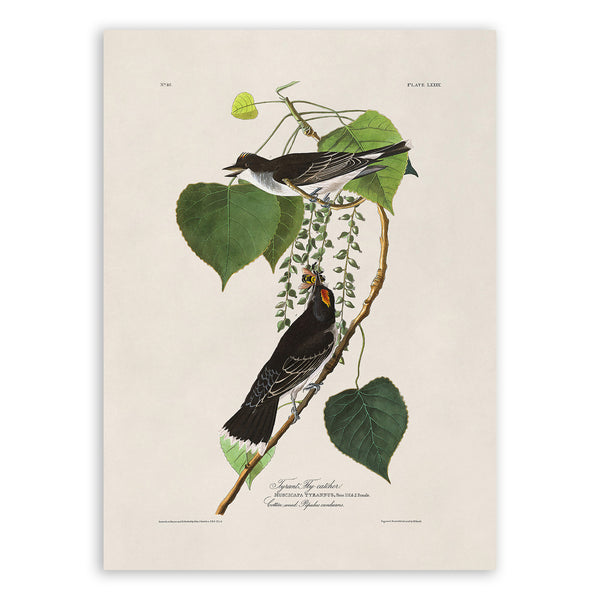
Kingbird lively. July 10, 1854.
Cherry-bird commonly heard. July 10, 1854.
Think I saw turtle dove within a day or two. July 10, 1854
The singing birds at present are: —
Villageous: Robin, chip-bird, warbling vireo, swallows.
Rural: Song sparrow, seringos, flicker, kingbird, goldfinch, link of bobolink, cherry-bird.
Sylvan: Red-eye, tanager, wood thrush, chewink, veery, oven-bird, — all even at midday.
July 10, 1854
Catbird full strain, whip-poor-will, crows. July 10, 1854
Catbird full strain, whip-poor-will, crows. July 10, 1854
Hear flicker rarely. July 10, 1854
Hearing a noise, I look up and see a pigeon woodpecker pursued by a kingbird, and the former utters loud shrieks with fear. July 10, 1859.
It is with a suffocating sensation and a slight pain in the head that I walk the Union Turnpike where the heat is reflected from the road. July 10, 1852.
I have to lift my hat to let the air cool my head. July 10, 1852.
There are but few travellers abroad, on account of the oppressive heat. July 10, 1852.
I make quite an excursion up and down the river in the water, a fluvial, a water walk. July 10, 1852.
It seems the properest highway for this weather. July 10, 1852.
Now in water a foot or two deep, now suddenly descending through valleys up to my neck, but all alike agreeable. July 10, 1852.
There are many interesting objects of study walking up and down a clear river like this in the water, where you can see every inequality in the bottom and every object on it. July 10, 1852.
Walking up and down a river in torrid weather with only a hat to shade the head. July 10, 1852.
Now we traverse a long water plain some two feet deep; now we descend into a darker river valley, where the bottom is lost sight of and the water rises to our armpits; now we go over a hard iron pan; now we stoop and go under a low bough of the Salix nigra; now we slump into soft mud amid the pads of the Nymphaea odorata, at this hour shut. July 10, 1852.
On this road there is no other traveller to turn out for. July 10, 1852.
We finally return to the dry land, and recline in the shade of an apple tree on a bank overlooking the meadow. July 10, 1852.
The bream poised over its sandy nest on waving fin -- how aboriginal! July 10, 1853
So it has poised here and watched its ova before this New World was known to the Old. July 10, 1853
2 p. m. — To Pleasant Meadow via Lincoln Bridge. July 10, 1860
The Festuca ovina is a peculiar light-colored, whitish grass, as contrasted with the denser dark-green sod of pastures; as on the swells by the tin-hole near Brister's. July 10, 1860
Entering J. Baker's great mud-hole, this cloudy, cool afternoon, I was exhilarated by the mass of cheerful bright-yellowish light reflected from the sedge (Carex Pennsylvanica) growing densely on the hillsides laid bare within a year or two there. July 10, 1860
It is of a distinct cheerful yellow color even this overcast day, even as if they were reflecting a bright sunlight, though no sun is visible. July 10, 1860
It is surprising how much this will light up a hillside or upland hollow or plateau, and when, in a clear day, you look toward the sun over it late in the afternoon, the scene is incredibly bright and elysian. July 10, 1860
These various lights and shadows of the grass make the charm of a walk at present. July 10, 1860
I find in this mud-hole a new grass, Eatonia Pennsylvanica, two and a half feet high. July 10, 1860
Juncus, apparently marginatus, say ten days. July 10, 1860
Take boat at Fair Haven Pond and paddle up to Sudbury Causeway, sounding the river. July 10, 1859
We scare up eight or a dozen wood ducks, already about grown. The meadow is quite alive with them. July 10, 1859
See many young birds now, -- blackbirds, swallows, kingbirds, etc., in the air. July 10, 1859
Even hear one link from a bobolink. July 10, 1859.
The bottom of Fair Haven Pond is very muddy. I can generally thrust a pole down three feet into it, and it may be very much deeper. July 10, 1859
*****
A Book of the Seasons, by Henry Thoreau, the Propogation of the Willow.
A Book of the Seasons, by Henry Thoreau, the Devil's-needle
A Book of the Seasons, by Henry Thoreau, the Screech Owl
A Book of the Seasons, by Henry Thoreau: the Snipe
A Book of the Seasons, by Henry Thoreau, The American Woodcock
A Book of the Seasons, by Henry Thoreau, the Scarlet Tanager
A Book of the Seasons, by Henry Thoreau, The Summer Yellowbird
A Book of the Seasons, by Henry Thoreau, the Pine Warbler
A Book of the Seasons, by Henry Thoreau, The Oven-bird
A Book of the Seasons, by Henry Thoreau, the Eastern Kingbird
A Book of the Seasons, by Henry Thoreau, The Cherry-bird (cedar waxwing)
A Book of the Seasons, by Henry Thoreau, The Wood Thrush
A Book of the Seasons, by Henry Thoreau, The Pigeon Woodpecker (flicker)
A Book of the Seasons, by Henry Thoreau, the American Crow
A Book of the Seasons, by Henry Thoreau, The Nuthatch
A Book of the Seasons, by Henry Thoreau, the Bobolink
A Book of the Seasons, by Henry Thoreau, the Chewink (Rufous-sided Towhee)
A Book of the Seasons, by Henry Thoreau, The Field Sparrow
A Book of the Seasons, by Henry Thoreau, the Song Sparrow (Fringilla melodia);
A Book of the Seasons, by Henry Thoreau, the Bay-Wing Sparrow
A Book of the Seasons, by Henry Thoreau, The Chipping Sparrow (Fringilla socialis)
A Book of the Seasons by Henry Thoreau, the Dark-eyed Junco (Fringilla hyemalis)
A Book of the Seasons, by Henry Thoreau, The Luxury of Bathing
A Book of the Seasons, by Henry Thoreau, July 10
A Book of the Seasons, by Henry Thoreau
"A book, each page written in its own season,
out-of-doors, in its own locality.”
~edited, assembled and rewritten by zphx © 2009-2020